Switzerland (winter)

Switzerland: powder days and peaceful valleys

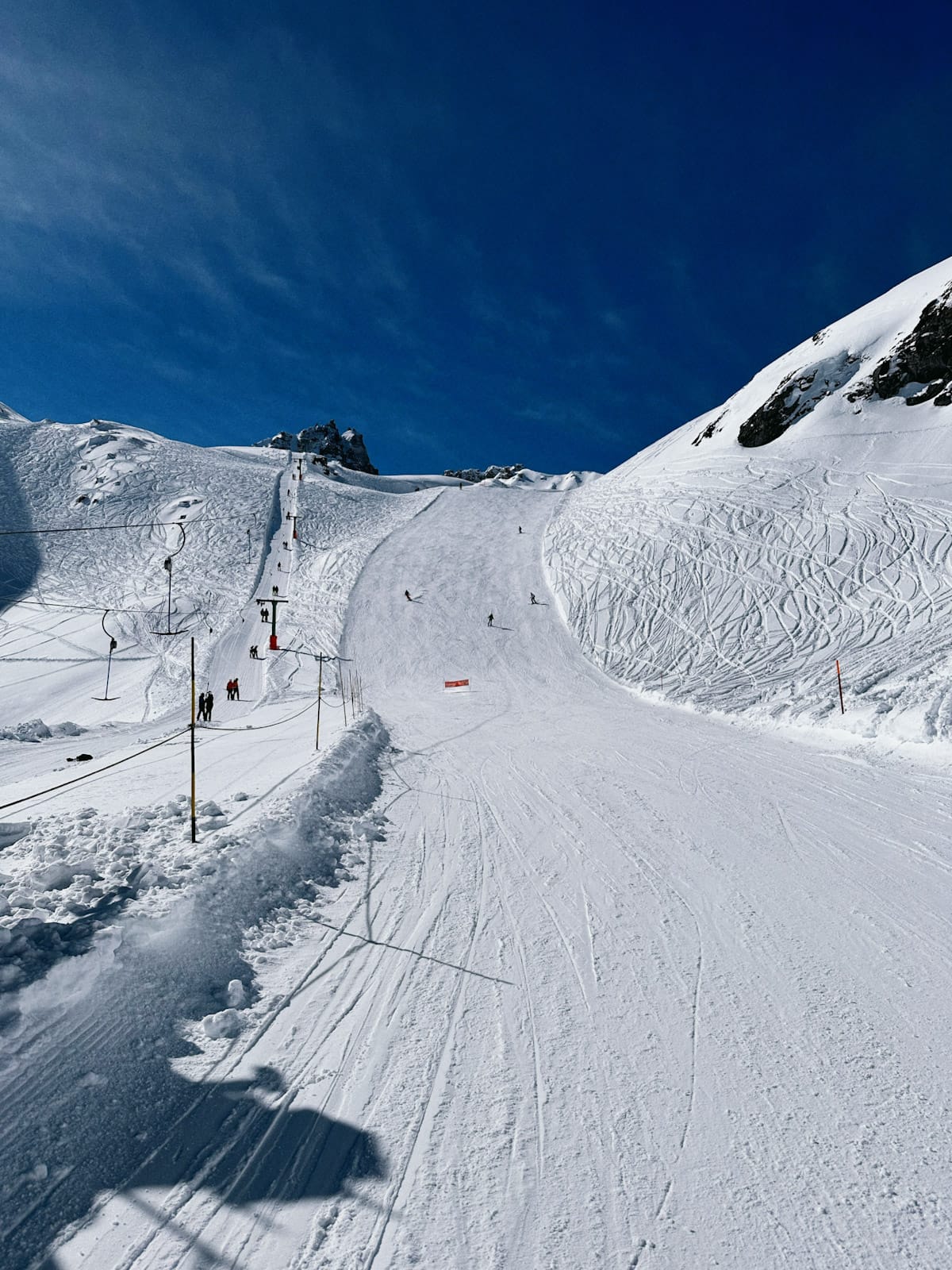
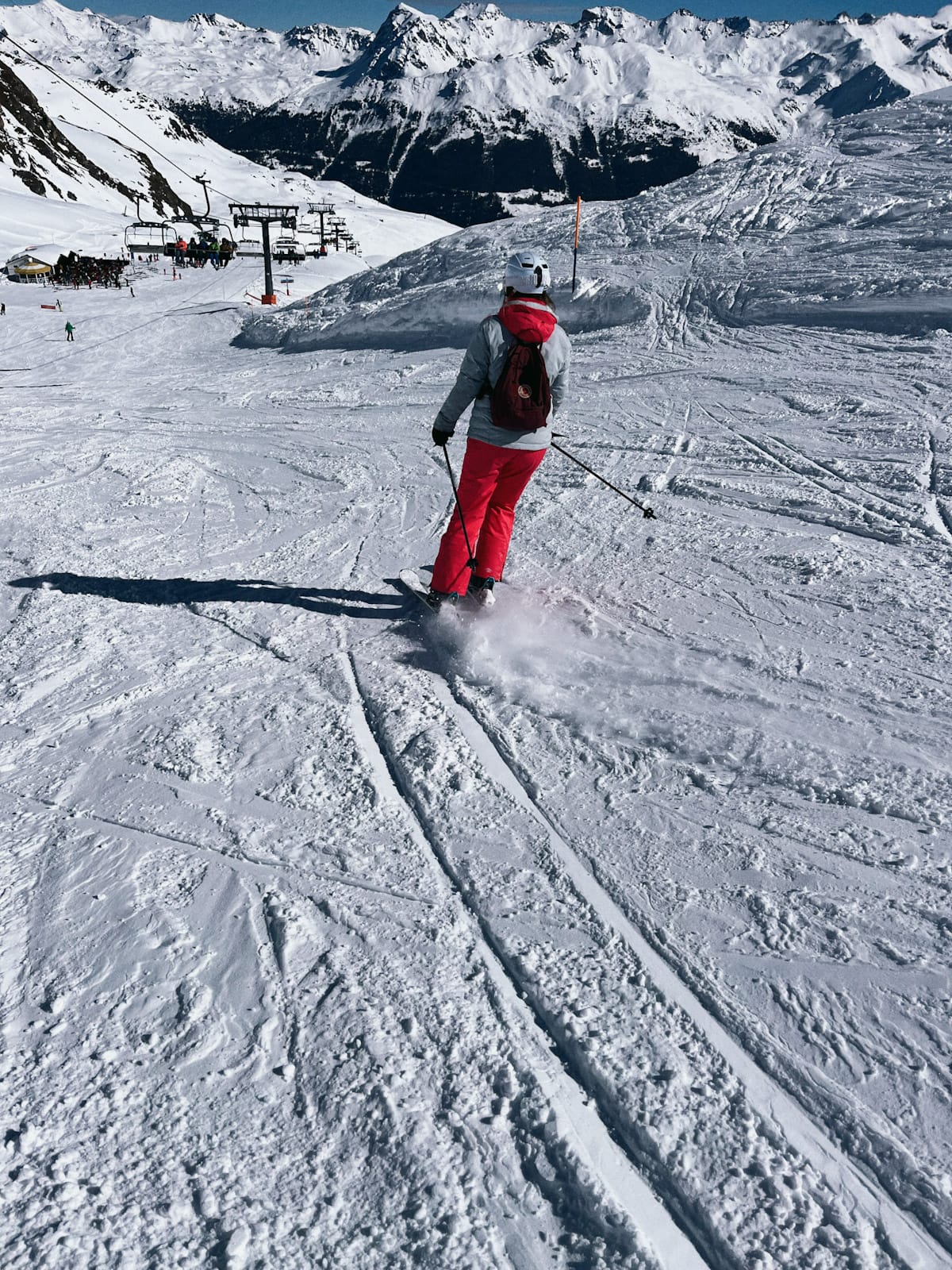
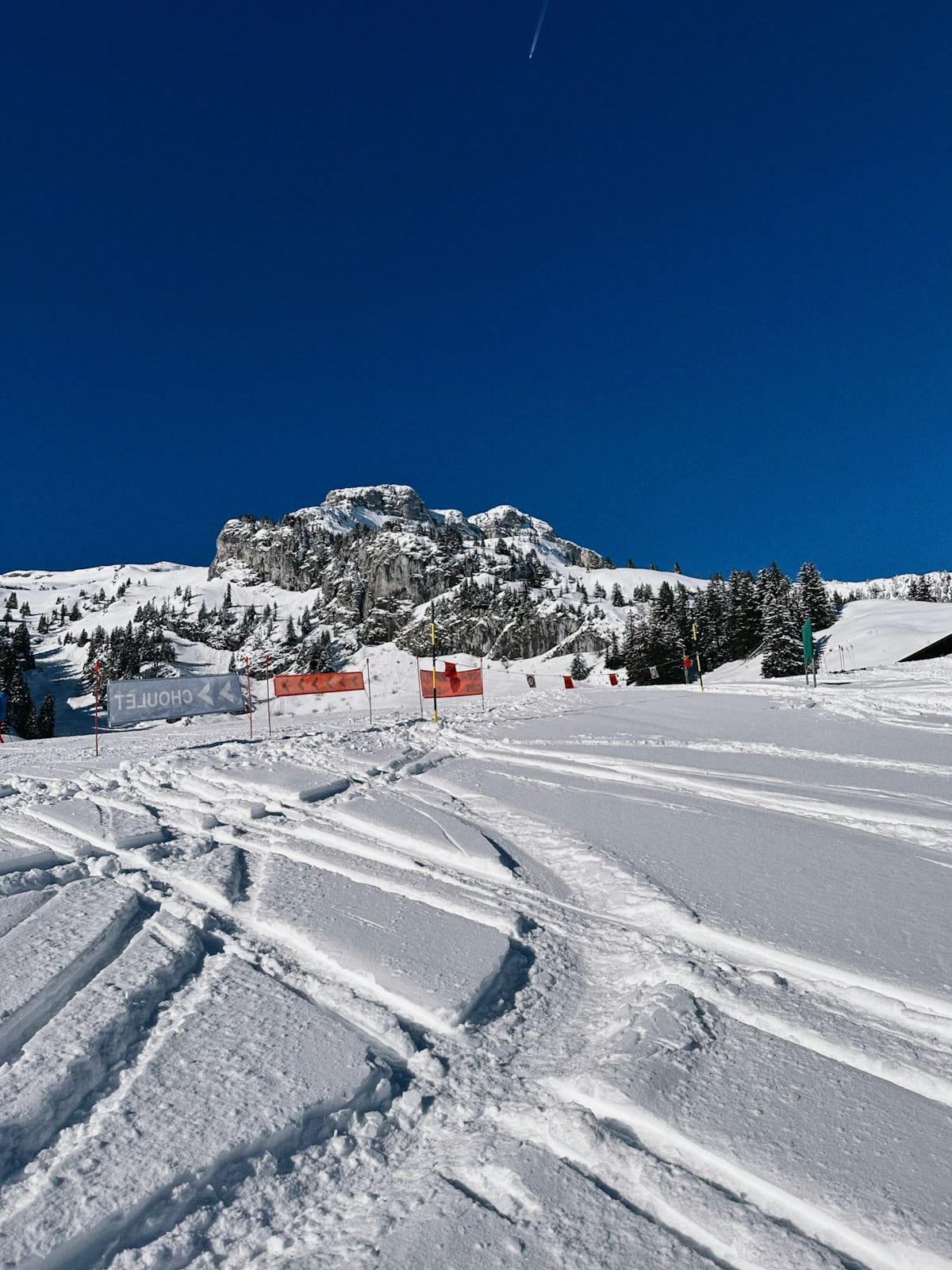
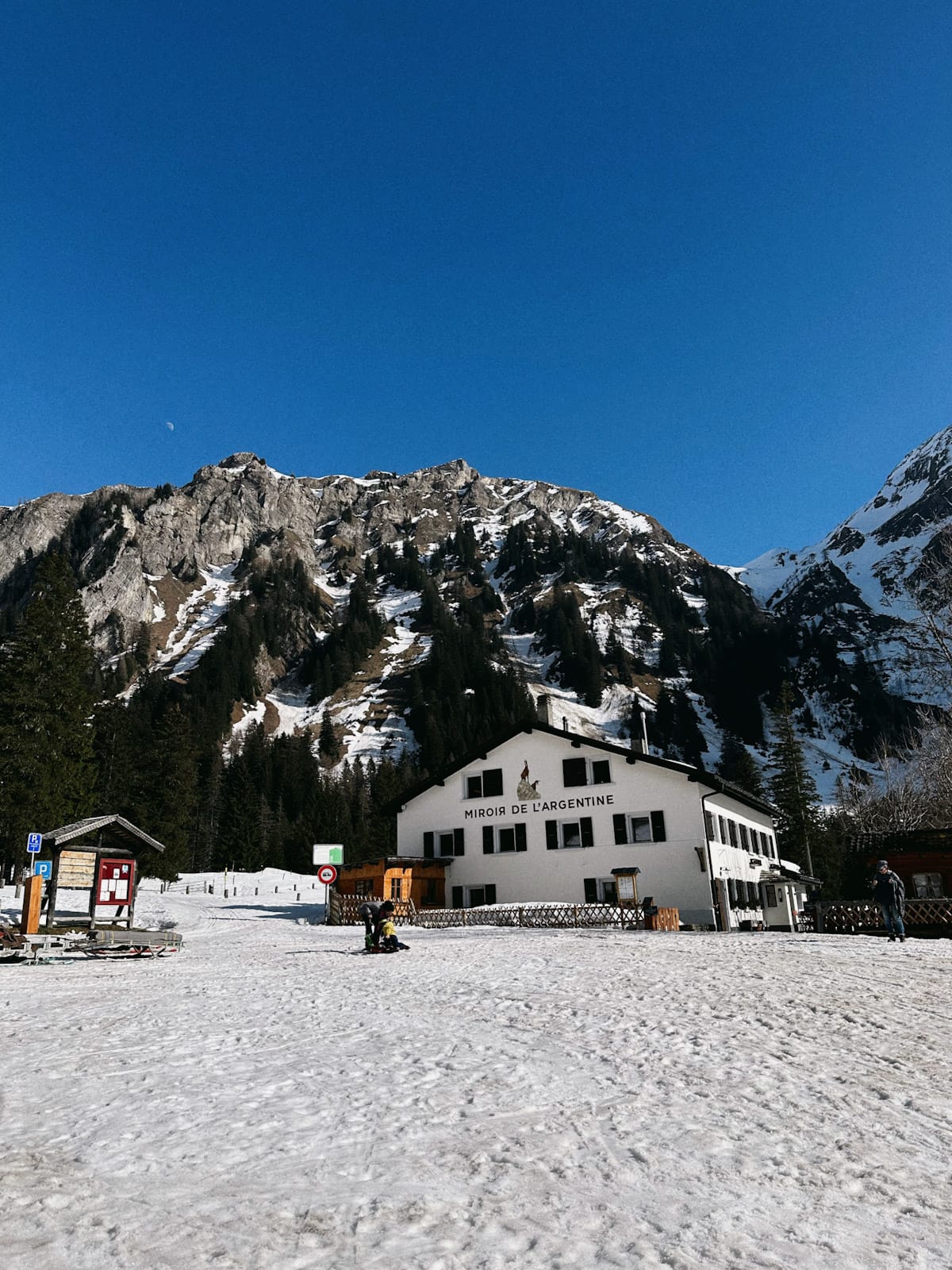
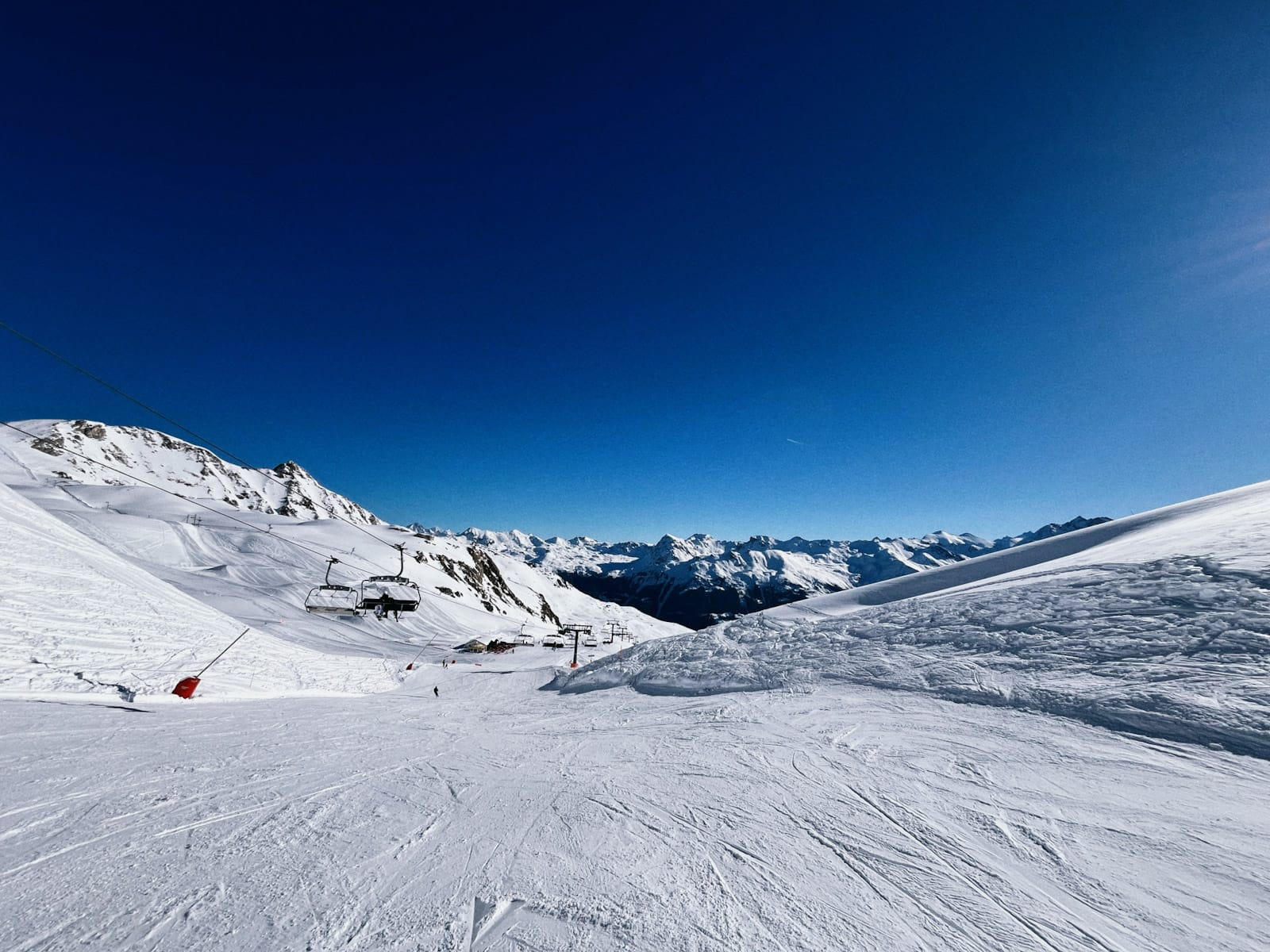
Switzerland in winter is more than beautiful—it’s stunning and perfectly put together. Mountains that seem too perfect to be real, trains that run on time even through snowstorms, and ski days that start with fresh powder and end with cheese fondue.
It’s also a surprisingly smart choice for Sabbatical travelers (Magic Pass). Stay for a few weeks, and you start to feel the rhythm of the place: early gondolas, long lunches in the sun, quiet evenings in wooden chalets.

Currency: Swiss Franc CHF
Language: depending on the region (Swiss) German, French or Italian
Time Zone: GMT+2

Best time of year to visit

Best winter months for (back country) skiing – December to April

Nature

Grimentz: quiet charm and hidden powder in the Val d’Anniviers

Grimentz feels like a secret. The old town is all weathered wood and narrow lanes, and the ski area—shared with Zinal—is full of wide, uncrowded runs and backcountry terrain that stays fresh for days after a snowfall. It’s on the Magic Pass, which means unlimited access if you stay a while.

Where to eat
La Marmotte – don’t miss this cozy mountain hut that serves hearty plates (including pizza’s) and homemade desserts.

Nature

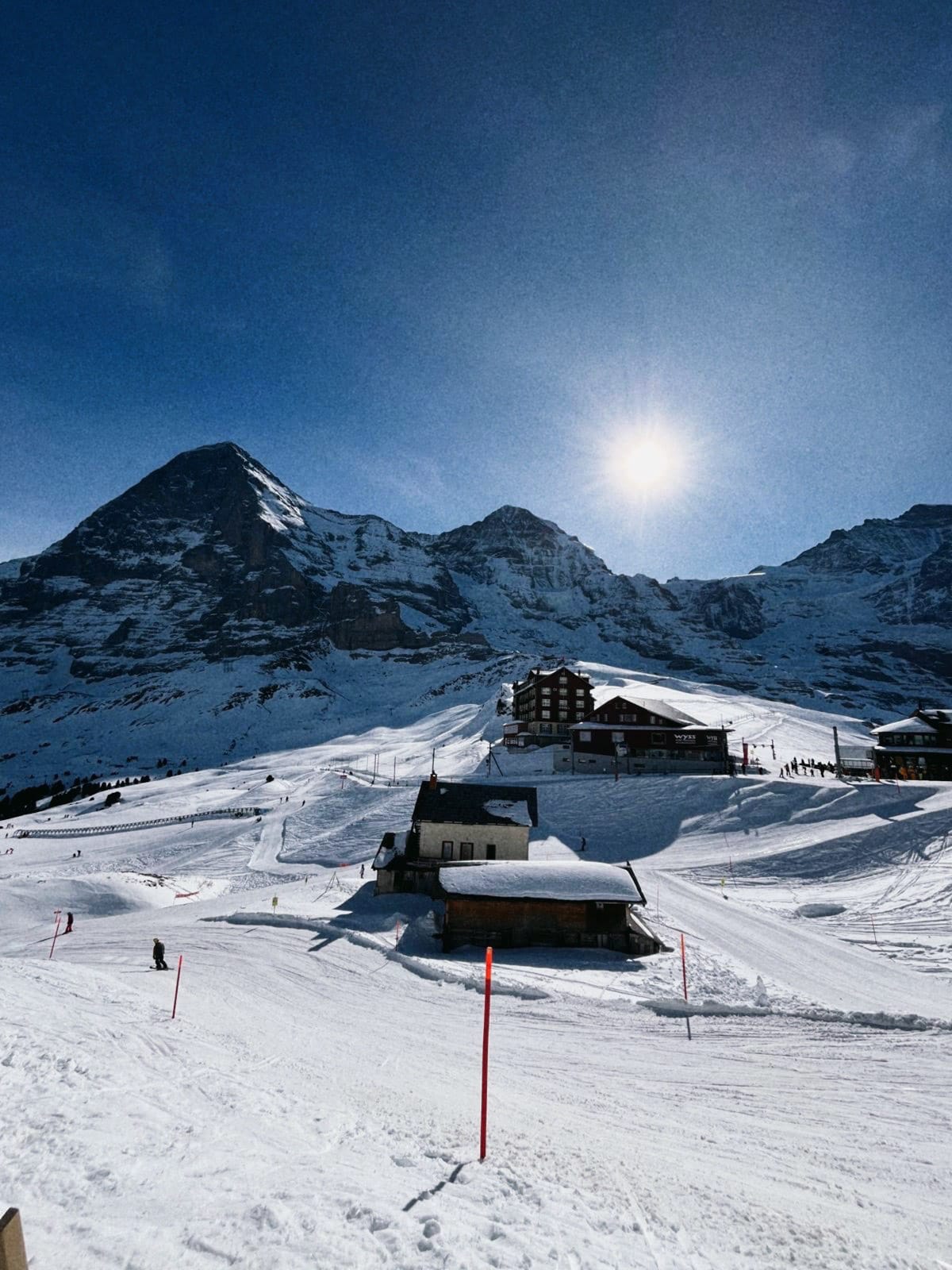
Jungfrau Region: peaks, peace, and a front-row seat to the Alps

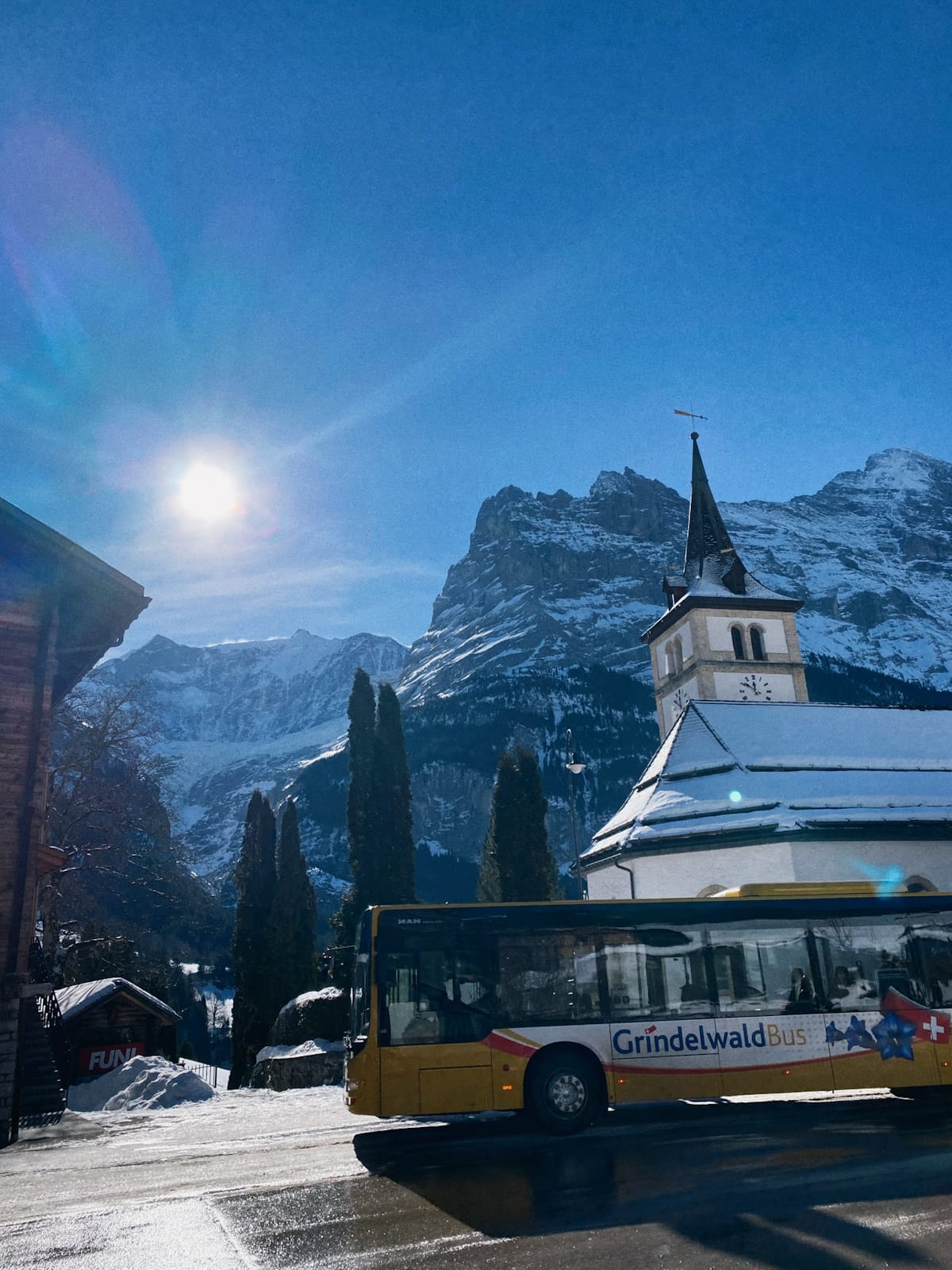
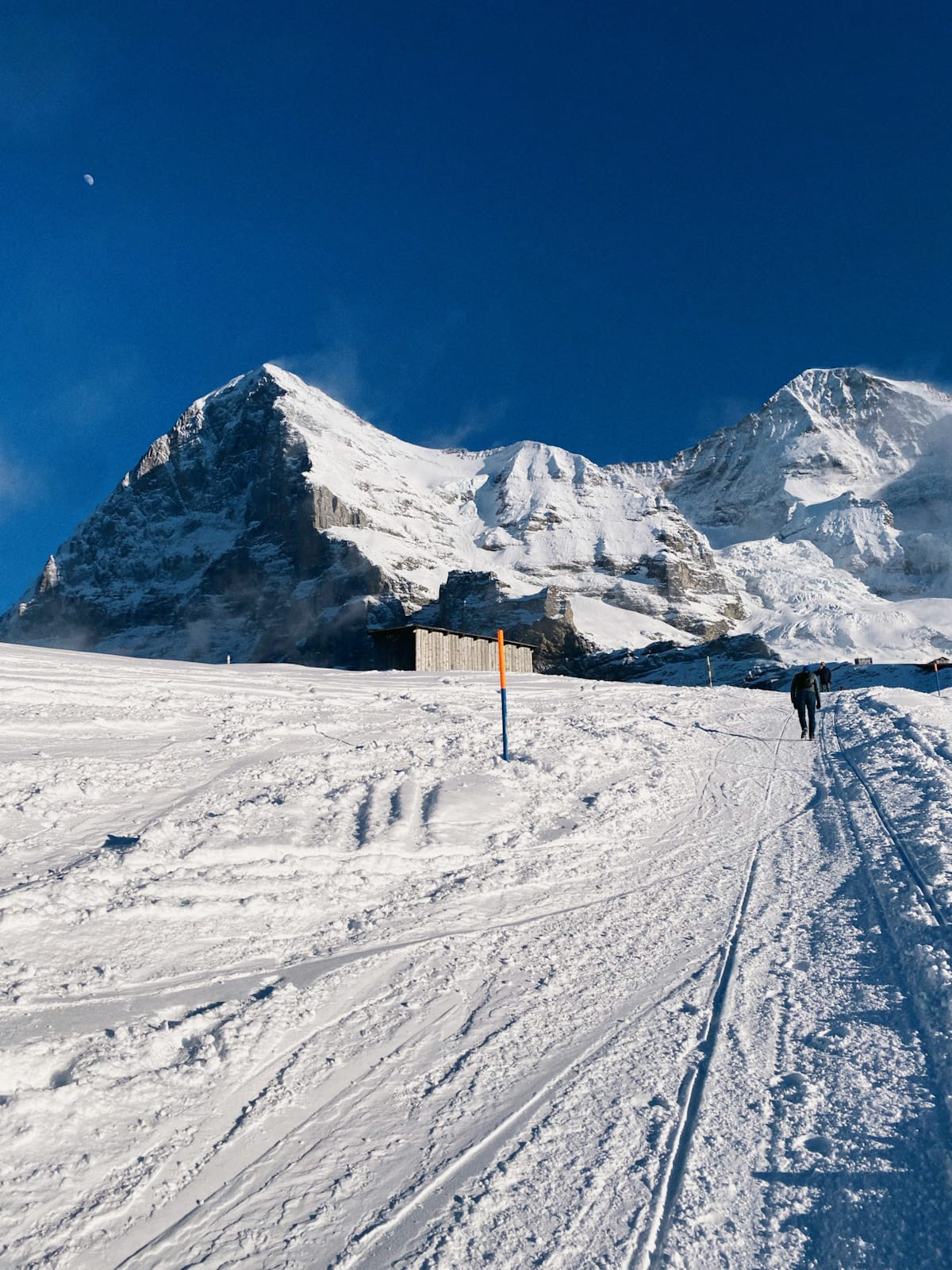
The Jungfrau region feels like stepping into a snow globe—three towering peaks, quiet car-free villages, and trains that climb into the clouds. It’s not the place to party, but it’s perfect if you want a slower sabbatical with big views and daily access to nature. Mürren is one of the best villages to stay in—peaceful, perched above the Lauterbrunnen valley, and full of charm.

Stay at Drei Berge Hotel
Drei Berge Hotel is a favorite, not just for sleeping but for lunch too. Their mountain plates and relaxed dining room make it a great midday break before skiing back out into the silence. The region’s skiing is scenic and varied, with long runs and views of the Eiger around every corner. You don’t need to be chasing adrenaline here to enjoy it.

Nature

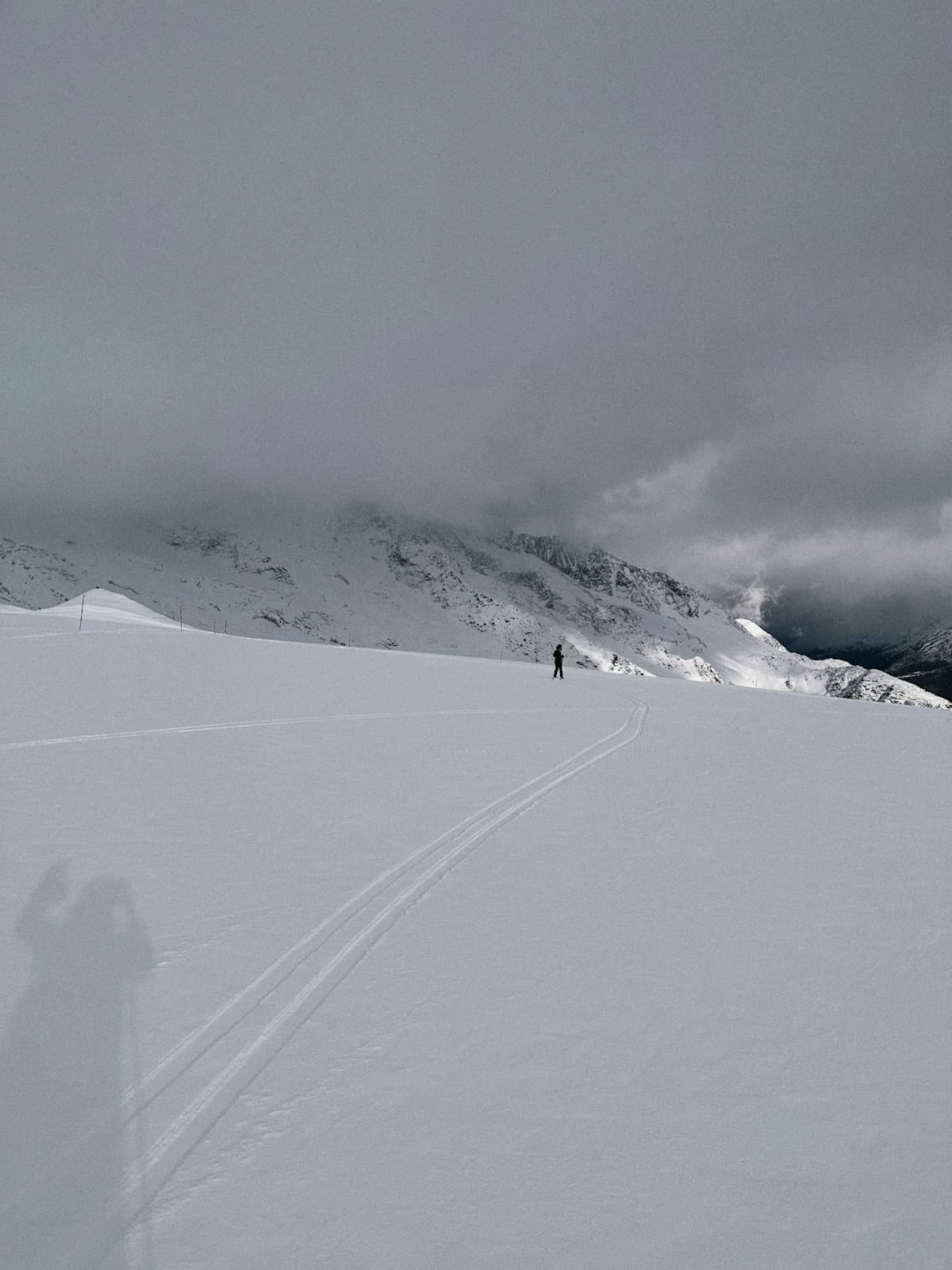
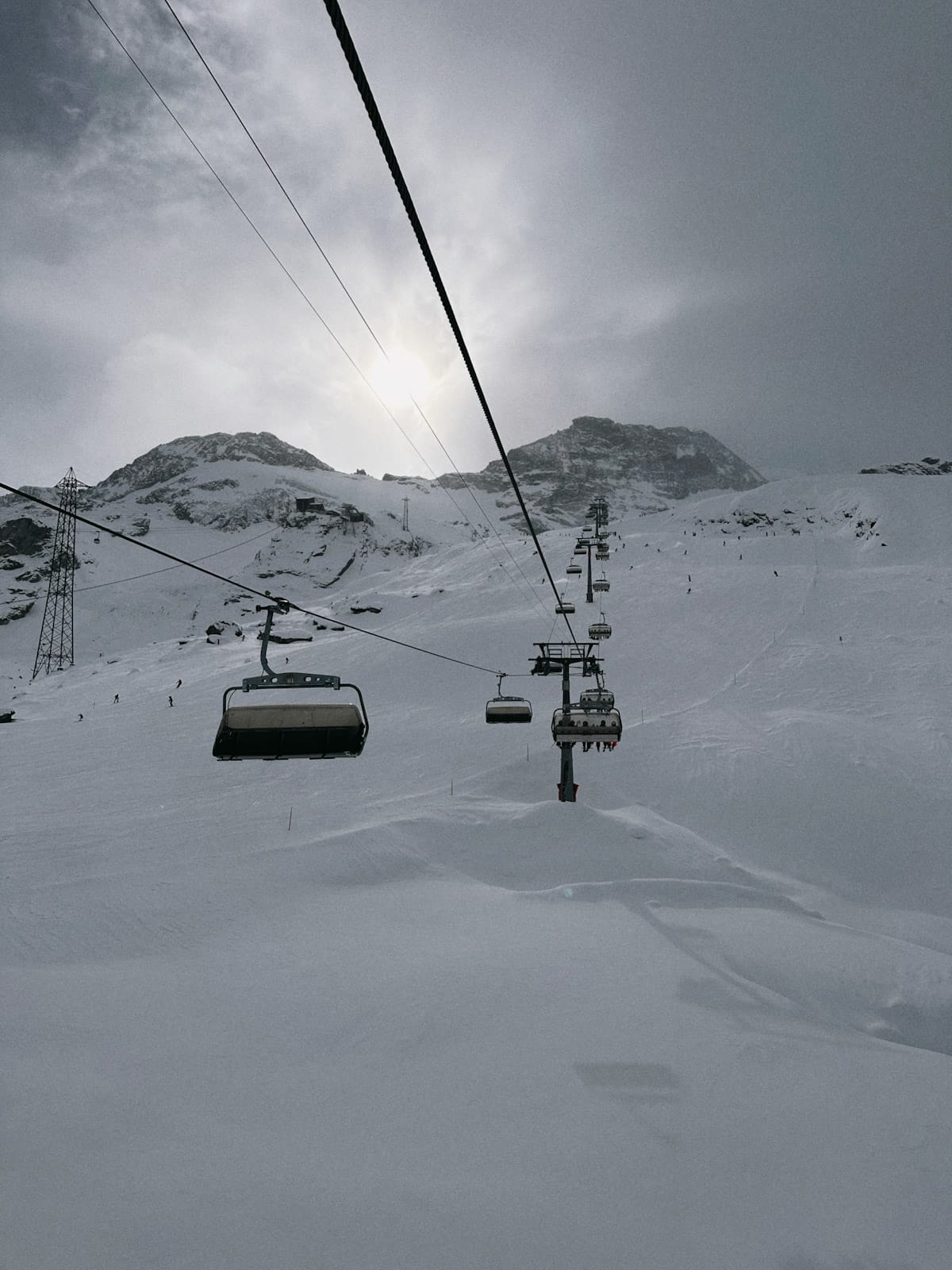
Saas-Fee: quiet Alpine escape in the heart of the Valais

Surrounded by towering 4,000-meter peaks and deep glacial valleys, Saas-Fee offers a peaceful alternative to some of Switzerland’s flashier mountain resorts. With its car-free center, crisp air, and dramatic alpine scenery, it’s a dream base for hiking in summer or skiing in winter—and a great stop if you’re traveling with a Magic Pass, which covers the lifts.

Stay at Ferienhaus Granit (in Saas-Grund)
For an affordable and well-located place to stay, Ferienhaus Granit in nearby Saas-Grund is a solid choice. It’s a simple, welcoming guesthouse with everything you need, and it puts you just a few minutes from the lifts and trailheads. Staying here also means you get a quieter base than Saas-Fee itself, while still being right in the heart of the valley.

Where to eat
Pizzeria Channa in Saas-Almagell – for a casual dinner, head to this pizzeria. It’s a friendly local spot known for its hearty pizzas—perfect after a long day of hiking or skiing.
Restaurant Steinbock – If you’re in the mood for something more regional, this restaurant in Saas-Fee is a great choice. They serve classic Swiss mountain dishes like rösti, fondue, and local game—served in a cozy alpine setting that feels both traditional and relaxed.
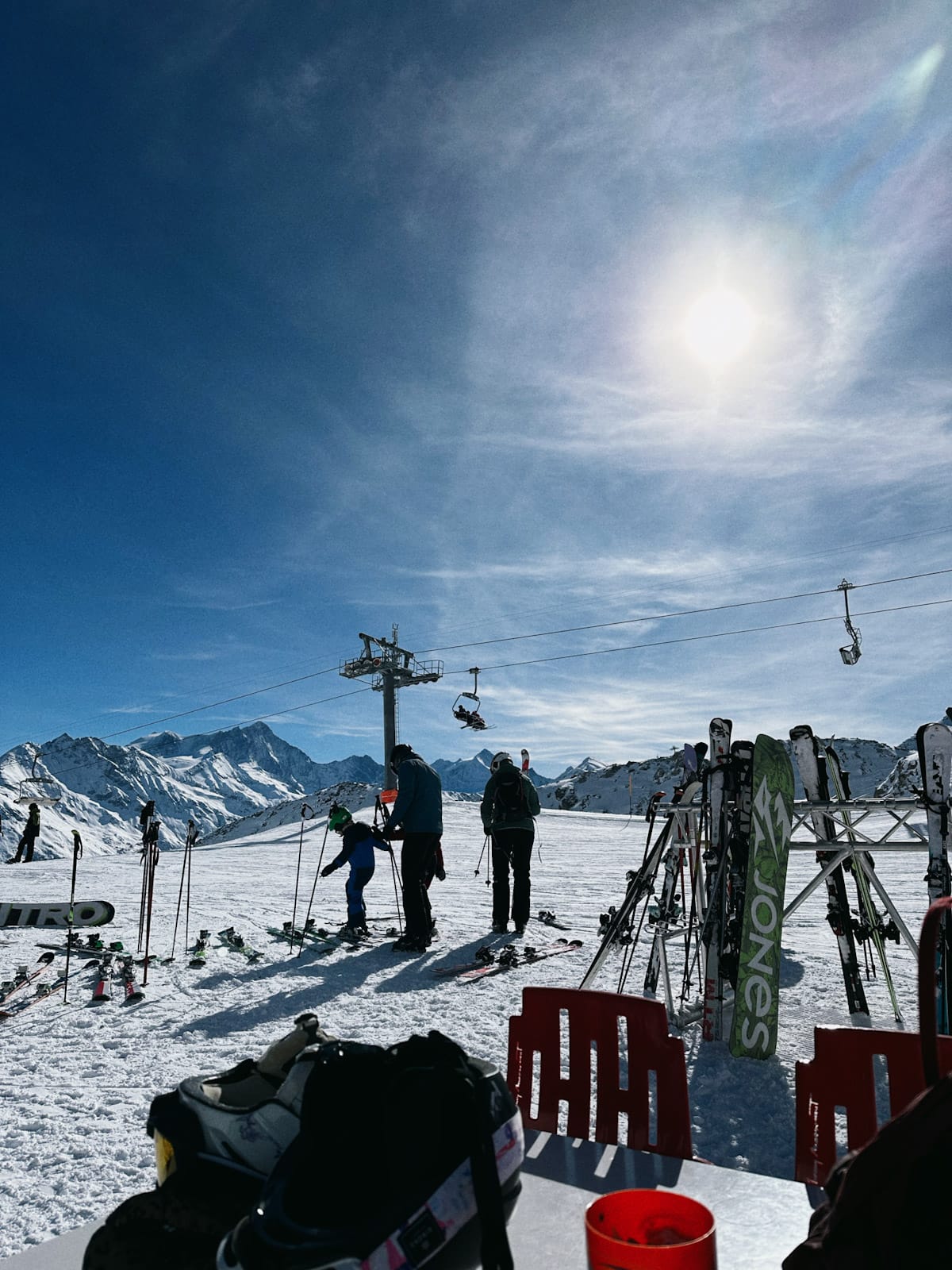
The Magic Pass: a smart choice for long travel

If you’re planning a multi-week trip and want to keep things flexible, the Magic Pass is one of Switzerland’s best-kept Sabbatical secrets. It covers over 50 ski areas—including Grimentz, Saas-Fee, Ovronnaz, and more—and gives you unlimited access all season. It’s especially valuable if you’re planning to settle in one region for a while and want the freedom to explore without buying daily tickets.

A note on ski touring
If you’re experienced and the avalanche conditions are right, Switzerland offers incredible opportunities for ski touring. Many resorts have well-marked routes up the mountain, and some areas—especially in Val d’Anniviers—are known for their backcountry access. But always check the daily avalanche forecast and consider hiring a local guide. In the Alps, conditions change fast, and safety always comes first.