Peru
Our Rating:
Peru: from ancient civilizations and beautiful hikes to coastal modernity
Peru stretches from the Pacific coastline to the peaks of the Andes and deep into the Amazon, a country layered with history, culture, and dramatic landscapes. Ancient Inca cities like Machu Picchu and Cusco tell stories of past empires, while modern Lima pulses with creativity, world-class food, and ocean views. In the highlands, traditional villages preserve centuries-old customs; in the jungle, wildlife thrives along winding rivers. Whether you come for adventure, archaeology, or cuisine, Peru combines world-famous landmarks, diverse landscapes, and one of South America’s most celebrated food cultures.
Best time of year to visit
Thanks to its varied landscapes and climates, Peru can be explored in almost every month of the year.
- Peru: from ancient civilizations and beautiful hikes to coastal modernity
- Arequipa: city charm and active adventure
- Ausangate trek: five days in the beautiful Peruvian Andes
- Cusco: ancient heart of the Andes
- Lima: surf, seafood, and city life by the Pacific
- Punta Hermosa: Peru’s surf paradise an hour from Lima
- Discover your next Destination
City
Arequipa: city charm and active adventure
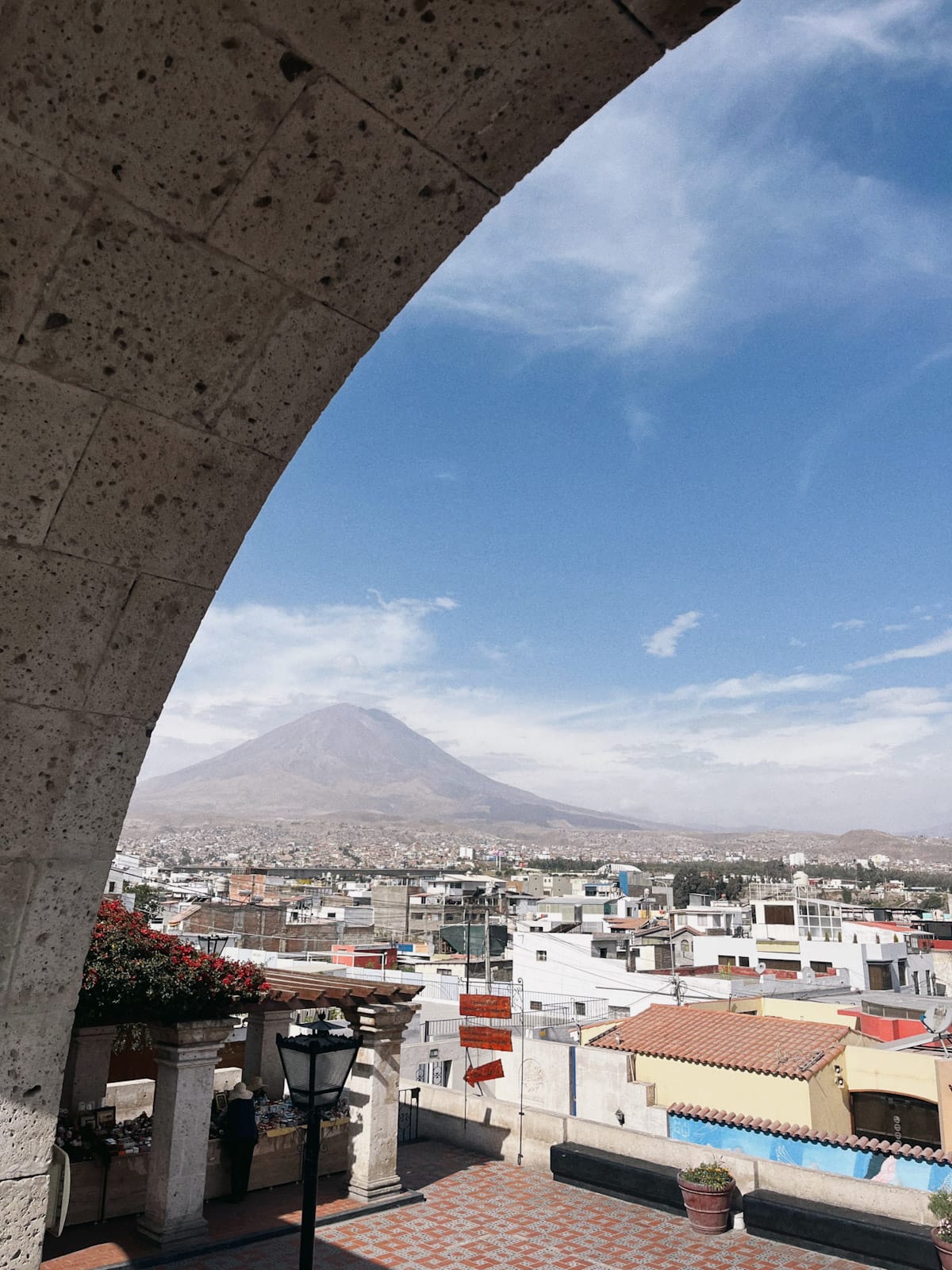
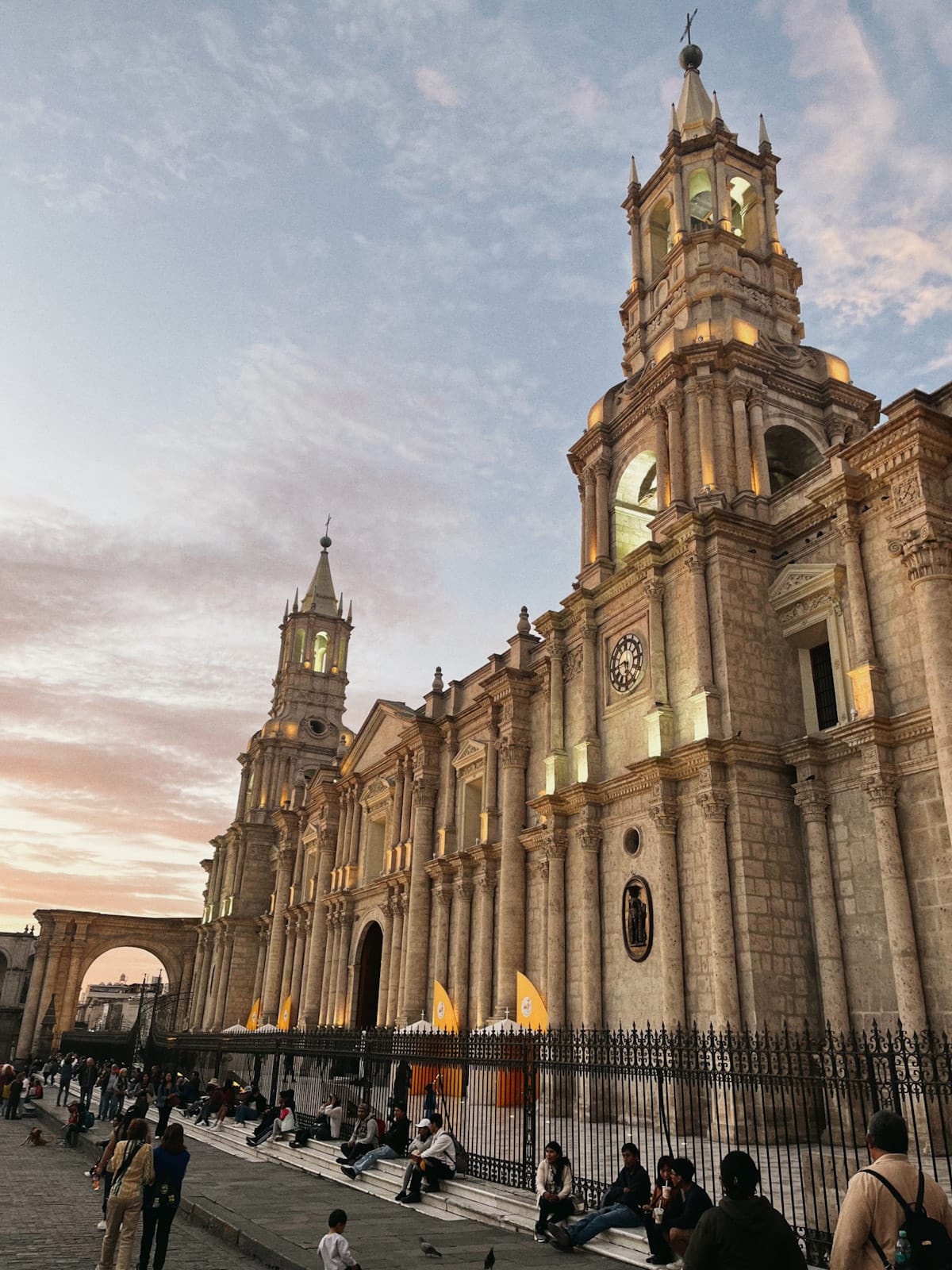
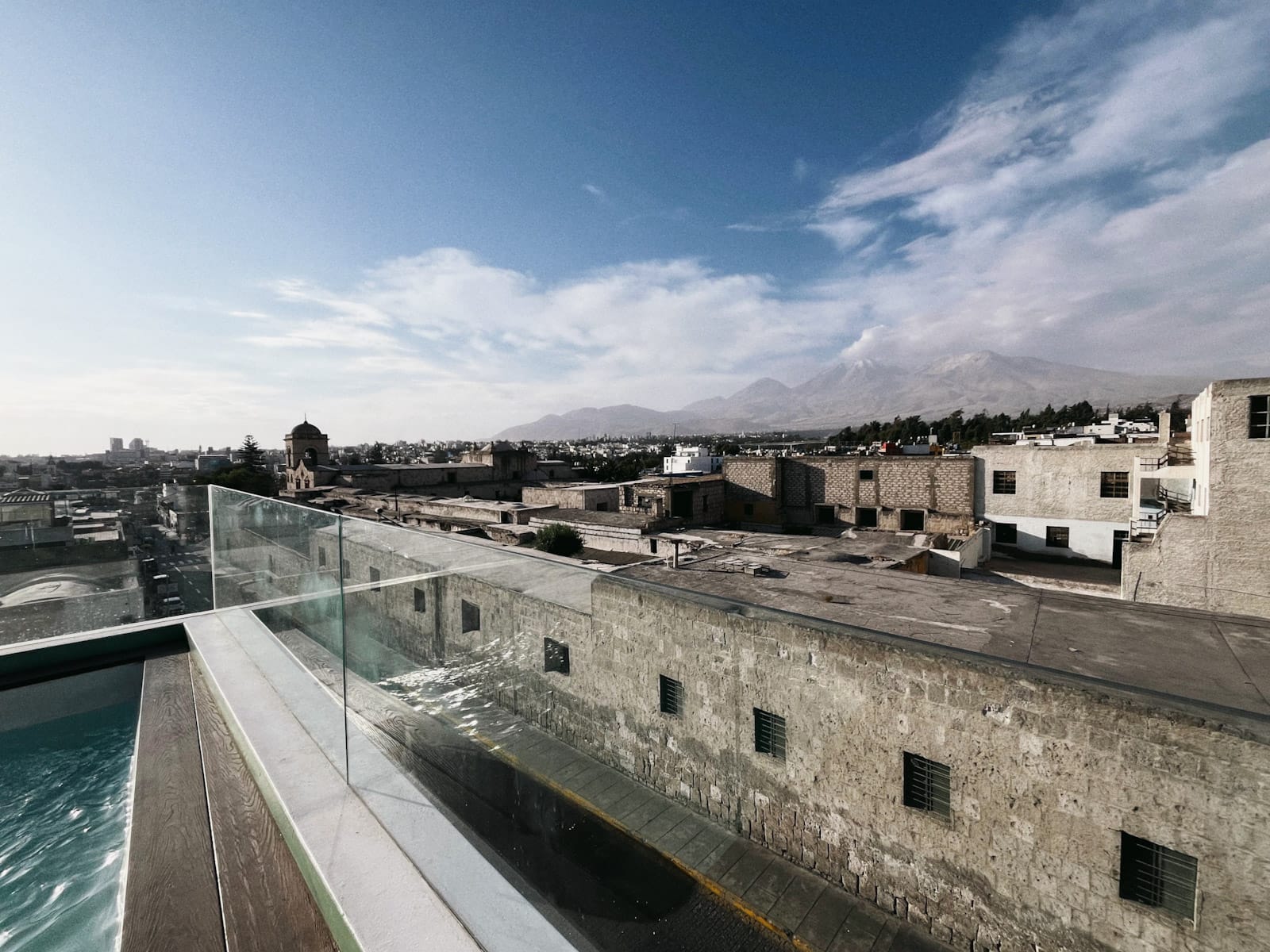
Framed by volcanoes and built from white volcanic stone, Arequipa blends colonial beauty with a lively, outdoorsy spirit. The city’s historic center is a UNESCO World Heritage Site, but it’s also full of energy—cafés, rooftop bars, and local markets sit alongside adventure opportunities just beyond the city limits.
Stay at Viajero Arequipa
Viajero Arequipa is the best place to stay for travelers looking for comfort and community. The hostel has both dorms and private rooms, a rooftop bar with panoramic views, and even a jacuzzi to relax in after a day of exploring. They organize plenty of activities—everything from salsa nights to group excursions—making it easy to meet fellow travelers.
Where to eat
Cooking Class at Arthur Restaurant – a must-do in Arequipa. Arthur is a fantastic host, and his cooking class combines local storytelling with hands-on learning—you’ll prepare traditional Peruvian dishes and enjoy them together afterward.
La Nueva Palomino – a classic picantería serving traditional Arequipeño dishes in a lively local setting.
Eco Brunch – a favorite for a fresh, healthy breakfast or brunch. Expect smoothie bowls, good coffee, and a relaxed atmosphere.
Yurakuna – the top pick for vegans in Arequipa, with creative plant-based dishes.
Where to drink
Viajero Rooftop Bar – a social spot with a beautiful sunset view, perfect for a cocktail before heading out for the evening.
Chelawasi Public House – the best bar in town for craft beer lovers, offering an impressive selection of local and international brews in a laid-back, welcoming space.
What to do
Plaza de Armas – the heart of the city and a must-visit at any time of day. Come in the late afternoon to watch the sunset light up the cathedral and volcanoes, or simply enjoy the park atmosphere surrounded by colonial arcades.
Free Walking Tour – the best way to get to know the city’s history and hidden corners. The Walk for Tips tour is particularly recommended for its friendly guides and fun local insights.
Rooftop Climbing – head to Rooftop Climbing for a bouldering session followed by a cold drink on their terrace. The space is friendly, modern, and great for all climbing levels.
Day trip
Outdoor Rock Climbing – also organized by Rooftop Climbing, these excursions take you just 20 minutes outside Arequipa for a day of climbing among stunning volcanic landscapes—ideal for anyone craving a mix of sport and scenery.
Nature
Ausangate trek: five days in the beautiful Peruvian Andes
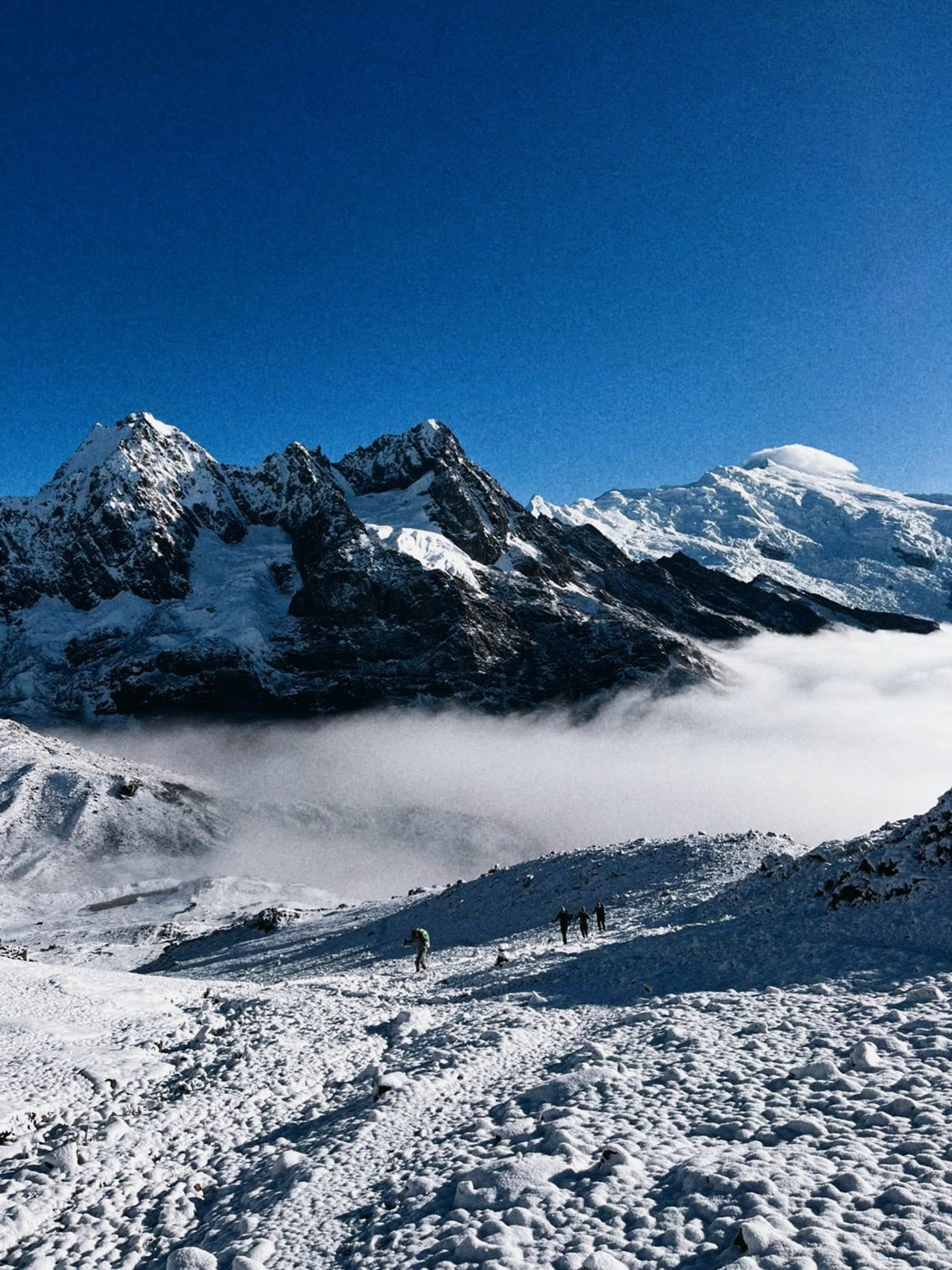
The five-day Ausangate Trek is the most spectacular high-altitude hike in Peru. Starting after a few days of acclimatization in Cusco at 3,500 meters, the route circles the sacred Ausangate Mountain (6,400 m), offering some of the most remote and dramatic landscapes in the Andes. Along the way, it’s possible to see local wildlife including llamas and alpacas, Andean pumas, condors, and vicuñas, adding an unforgettable natural dimension to the trek. This five-day trek is very physically demanding (expert fitness level is recommended), but the path itself is not technical or challenging.
The trek
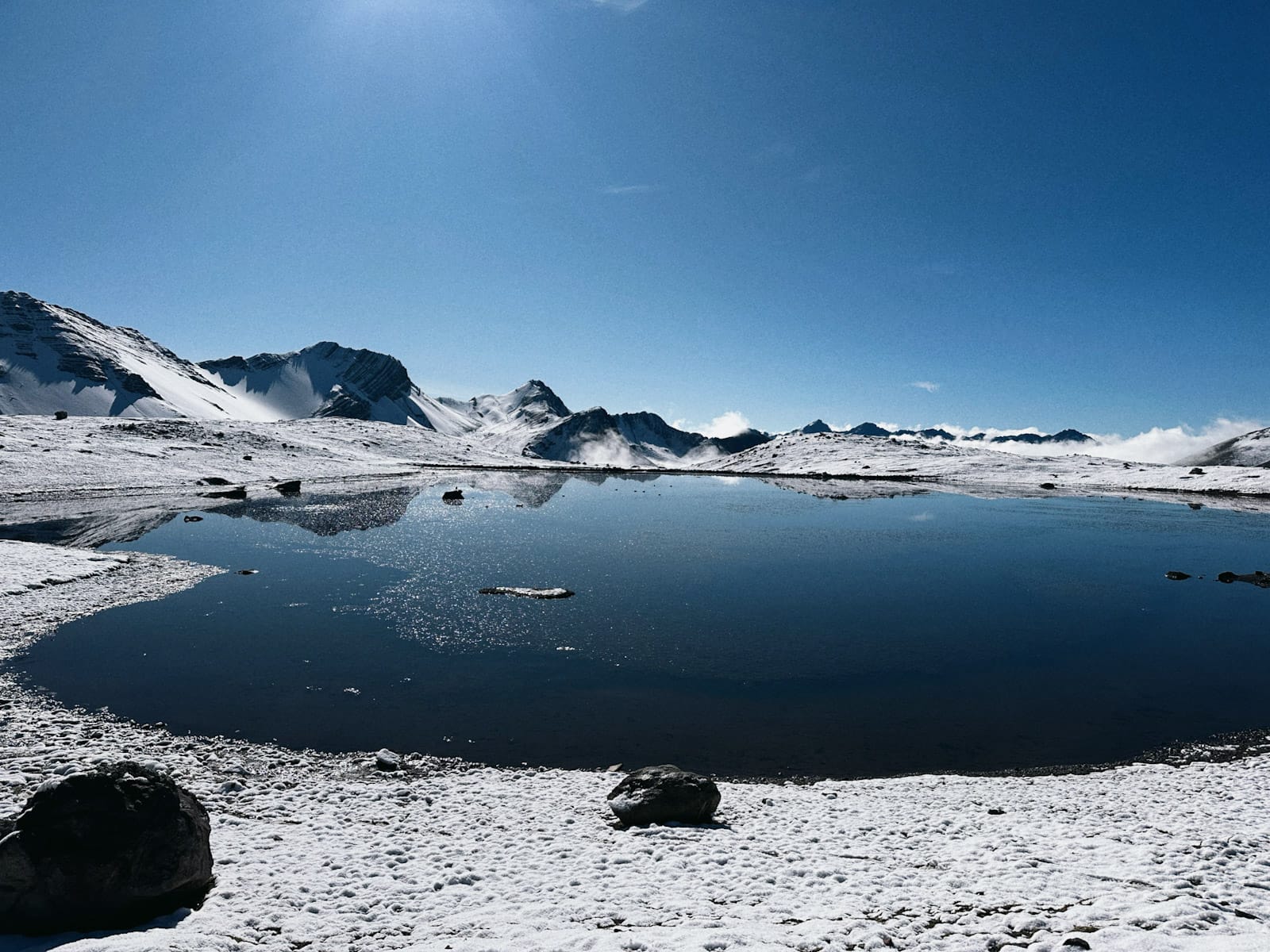
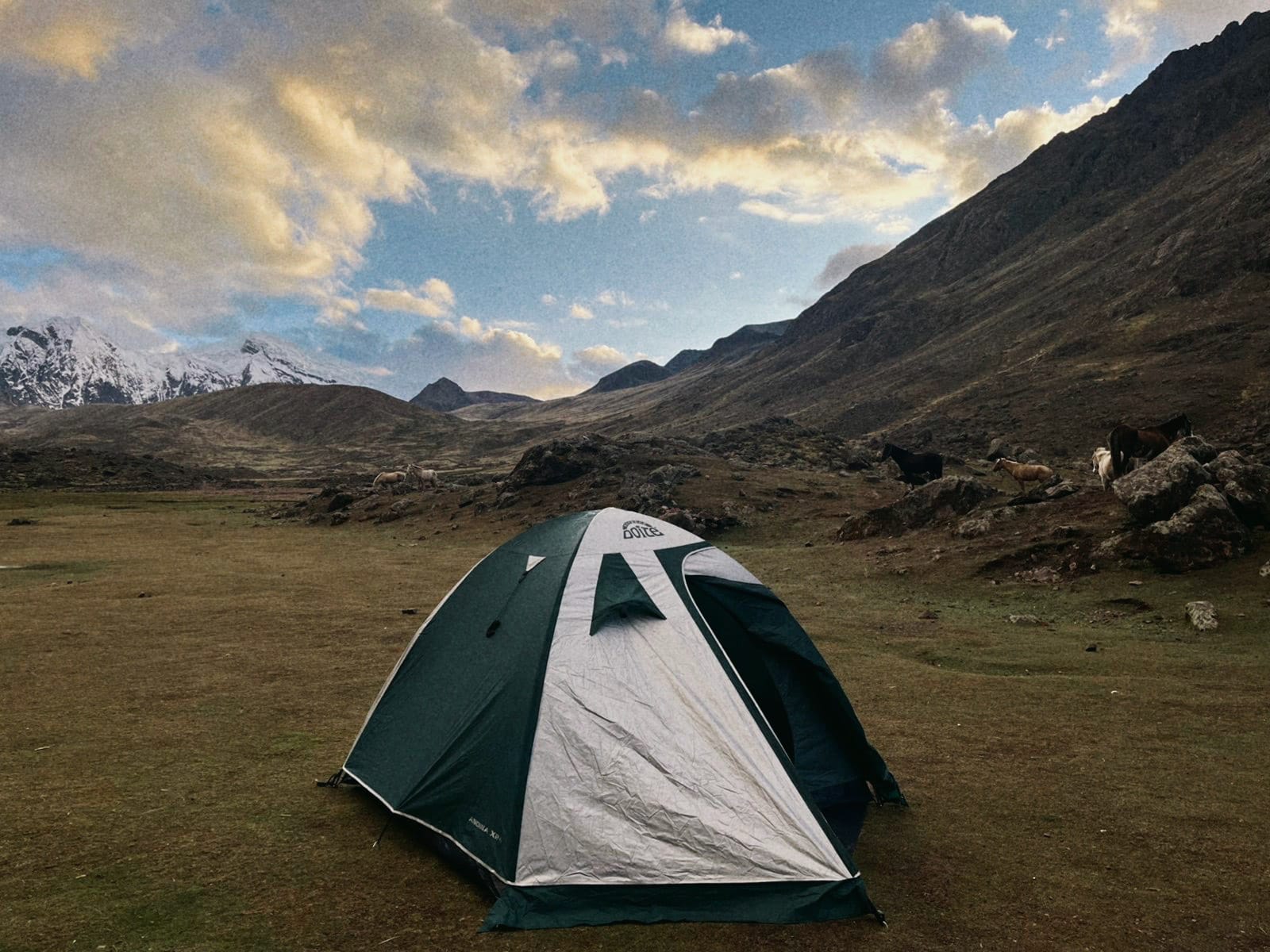
Over five days, hikers cover daily ascents and descents of around 800 meters (except day 1), camping at altitudes between 4,500 and 4,800 meters. The highest point reaches 5,200 meters. Mornings are usually dry and sometimes even sunny, but afternoons often bring rain or thunderstorms, so early starts are essential.
The trail passes through glacial valleys, turquoise lakes, and traditional Quechua communities. A highlight is a ceremony for Pachamama (mother Earth) at a mountain pass, where coca leaves and wine are offered to honor the spirits of nature. Dramatic weather changes—from sunshine to snow, hail, and thunder—add to both the challenge and the beauty of the experience.
The trek also includes a visit to Rainbow Mountain, a vibrant geological formation (albeit overly touristic and certainly not the highlight of this trek), before returning to the quiet solitude of the high Andes.
The final stage of this trek includes a long descent to the trail’s endpoint, where natural hot springs offer a well-earned rest.
After five demanding but rewarding days, hikers return to Cusco with a deep appreciation for the Andes, local culture, and the power of nature.
Support on the trail
Local guides, cooks, and horsemen (+horses) provide full support throughout the journey. Extraordinary meals, including vegetarian and vegan options if requested, are prepared at remote mountain camps (including soup at lunch and dinner, and creative dishes you will be surprised are prepared at this altitude). Nights are cold, often spent in tents, but small comforts like hot water bottles create a memorable experience.
Booking the trek
It’s recommended to book the Ausangate Trek with Vladimiro from mountaintrekking.com.pe. Note that the website is not always working well, but you can contact Vladi directly via +51 990 323 272 (or pass by at Calle Cuesta Santa Ana 560) to arrange your trek.
Essential gear – Make sure to have:
Two pairs of trail running shoes (or one pair of waterproof hiking shoes and extra pair of normal shoes for in the camp)
Hiking pants and rain pants
Waterproof jacket and waterproof bag (20-35 liter)
Enough warm layers: thermal base layer, fleece, and a down jacket or extra fleece (essential for sitting in a tent for multiple hours in the afternoon without a fire)
Powerbank
Headlamp
Toilet paper
3–4 snacks per day
Water bottles (at least 2 liters)
Enough socks (min. 3 pairs)
Sleeping bag liner (nice for extra warmth)
Card games
Cash for souvenirs, the hot spring and some beers on the way
Tips for guide, horseman, and cook
The Ausangate Trek is demanding but unforgettable. With its remote landscapes, cultural encounters, and striking high-altitude scenery, it’s a journey that stays with you long after the descent back into Cusco.
City
Cusco: ancient heart of the Andes
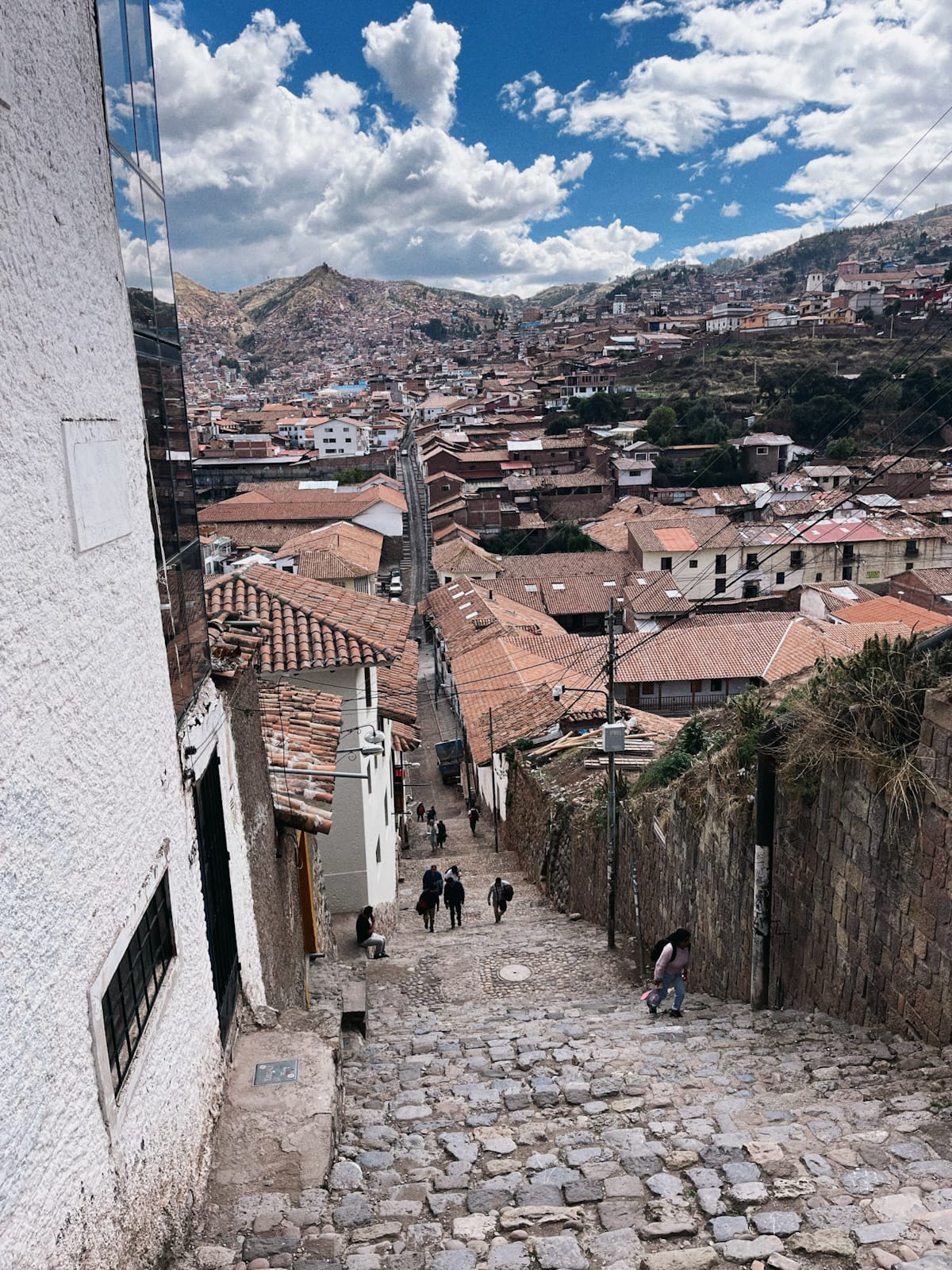
Perched high in the Andes, Cusco blends Inca history and the energy of travelers gearing up for adventure. Once the capital of the Inca Empire, it’s now the perfect base for adapting to the high altitude and exploring Machu Picchu, Ausangate and the surrounding mountains.
Stay at Tariq Boutique
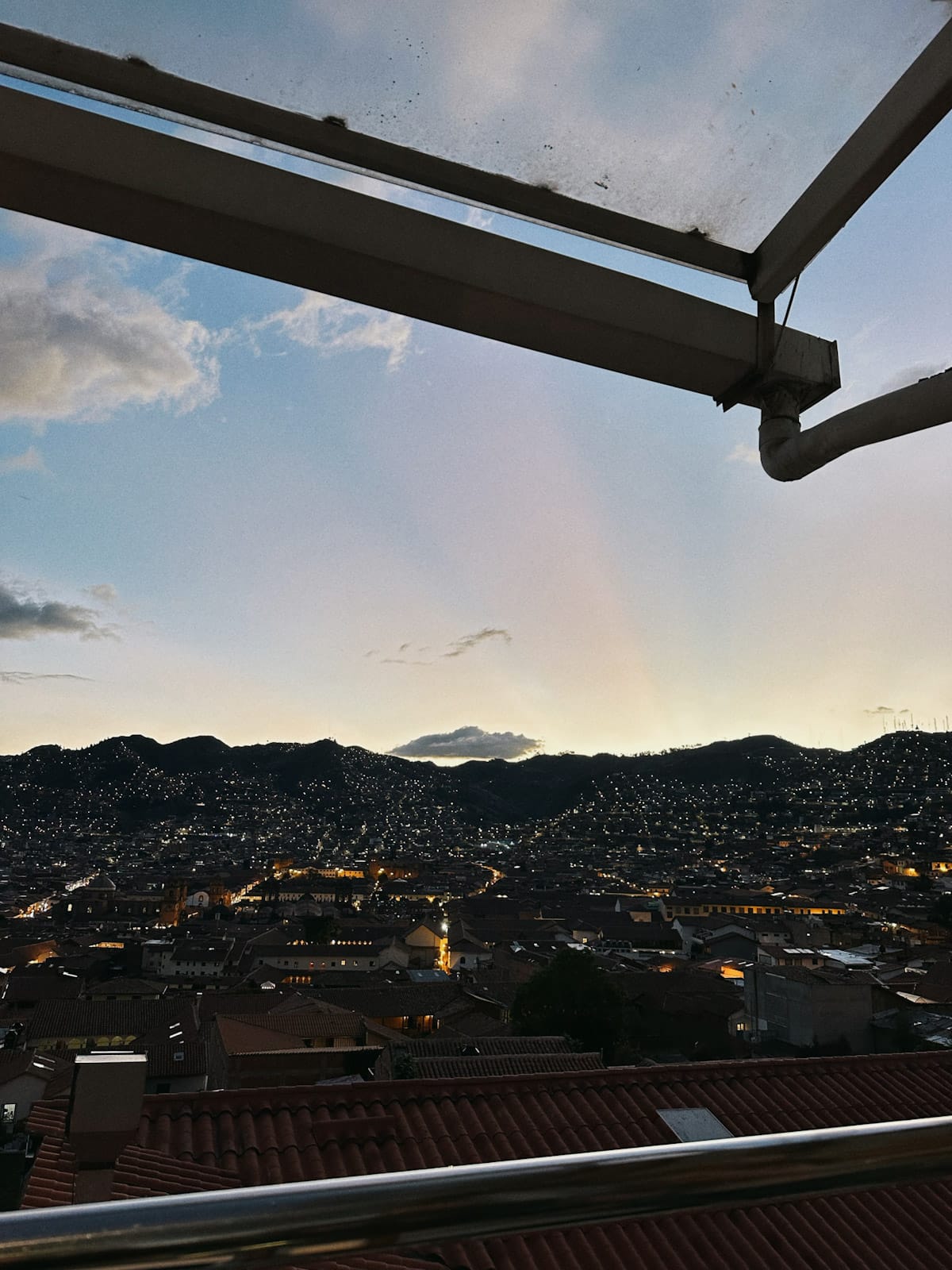
Tariq Boutique offers some of the best panoramic views over Cusco, especially in the early morning light. The rooms are cozy with great beds, and breakfast is excellent—fresh fruit, warm bread, and made-to-order dishes. It’s a calm, elegant place to start your day. The only drawback is the Wi-Fi, which can be spotty at times, but the comfort and atmosphere easily make up for it.
Where to eat
El Pisonay – a friendly, casual spot known for some of the best pizzas in Cusco. Expect crispy crusts, generous toppings, and a welcoming local vibe.
Nuna Raymi – a hidden gem just steps from the main square. The menu highlights local ingredients with creative, colorful dishes—perfect for a special dinner.
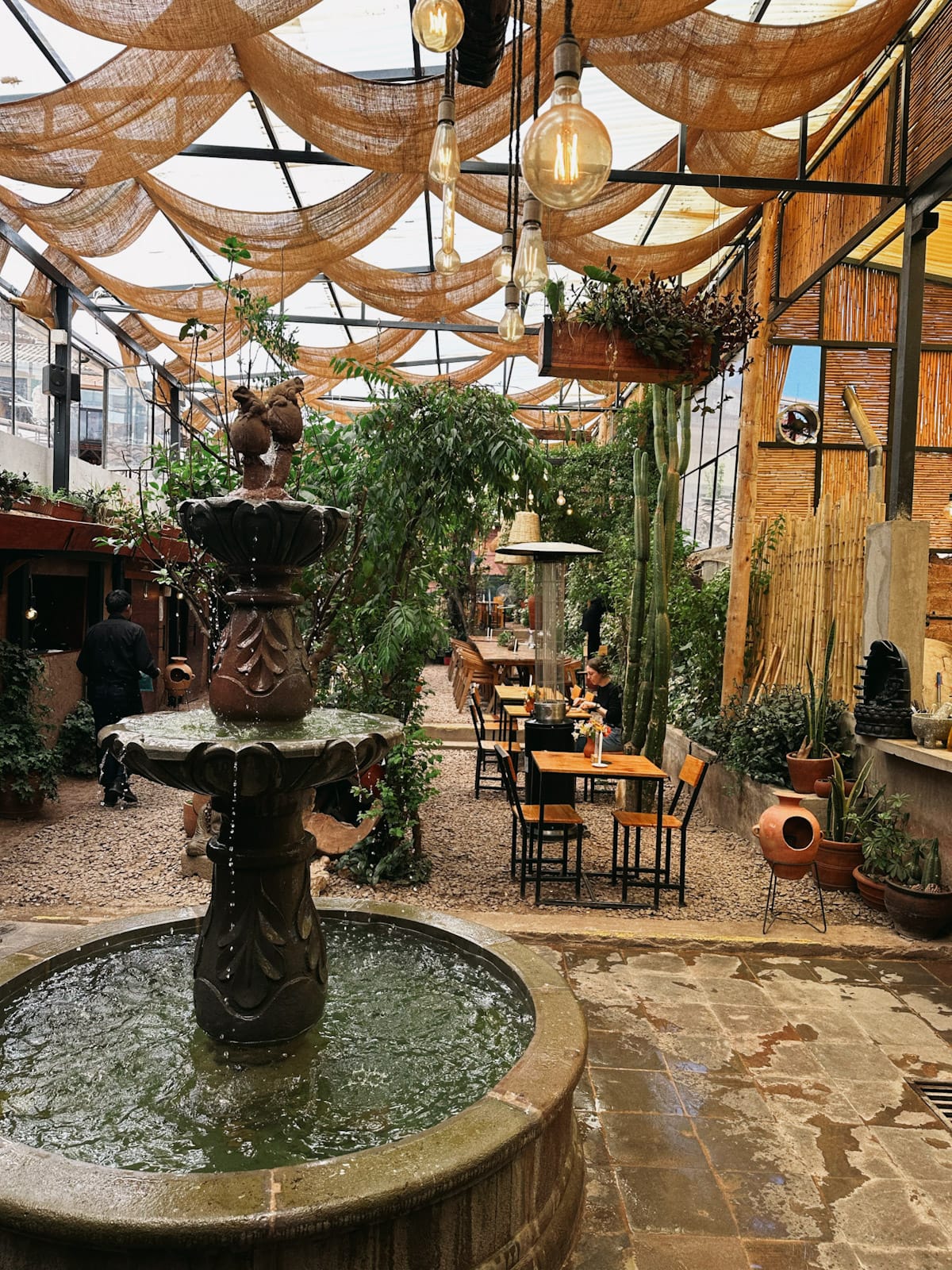
Green Point – widely considered one of the best vegan restaurants in Peru. Its inventive plant-based dishes and serene garden setting make it a must-visit, even for non-vegans. Don’t miss their vegan burrito or house-made kombucha.
Where to drink
Limbus Restobar – the go-to spot for a drink with a view. Located in the San Blas neighborhood, it overlooks the entire city and is especially beautiful at sunset. Tip: order a pisco sour and sit outside—the music inside can get quite loud.
What to do
Laundry – before or after your trek, Cusco is ideal for laundry. Look for places that charge per kilogram rather than per item—it’s usually cheaper.
Plaza de Armas – the city’s main square is the heart of Cusco life. Surrounded by historic arcades and colonial architecture, it’s the perfect place to people-watch, especially in the late afternoon when the light hits the cathedral.
Shop for trek gear – if you’re heading out on the Inca Trail, Salkantay, or Ausangate trek, Cusco is the best place to get equipped.
Tatoo Adventure is the largest outdoor store with the most options (though prices are on the higher side). You’ll also find the Merrell, The North Face, and Patagonia stores for quality clothing, boots, and gear.
San Pedro Market – a bustling local market ideal for picking up coca candy, nuts, and energy bars before a trek. You’ll also find local meals and souvenirs.
City
Lima: surf, seafood, and city life by the Pacific
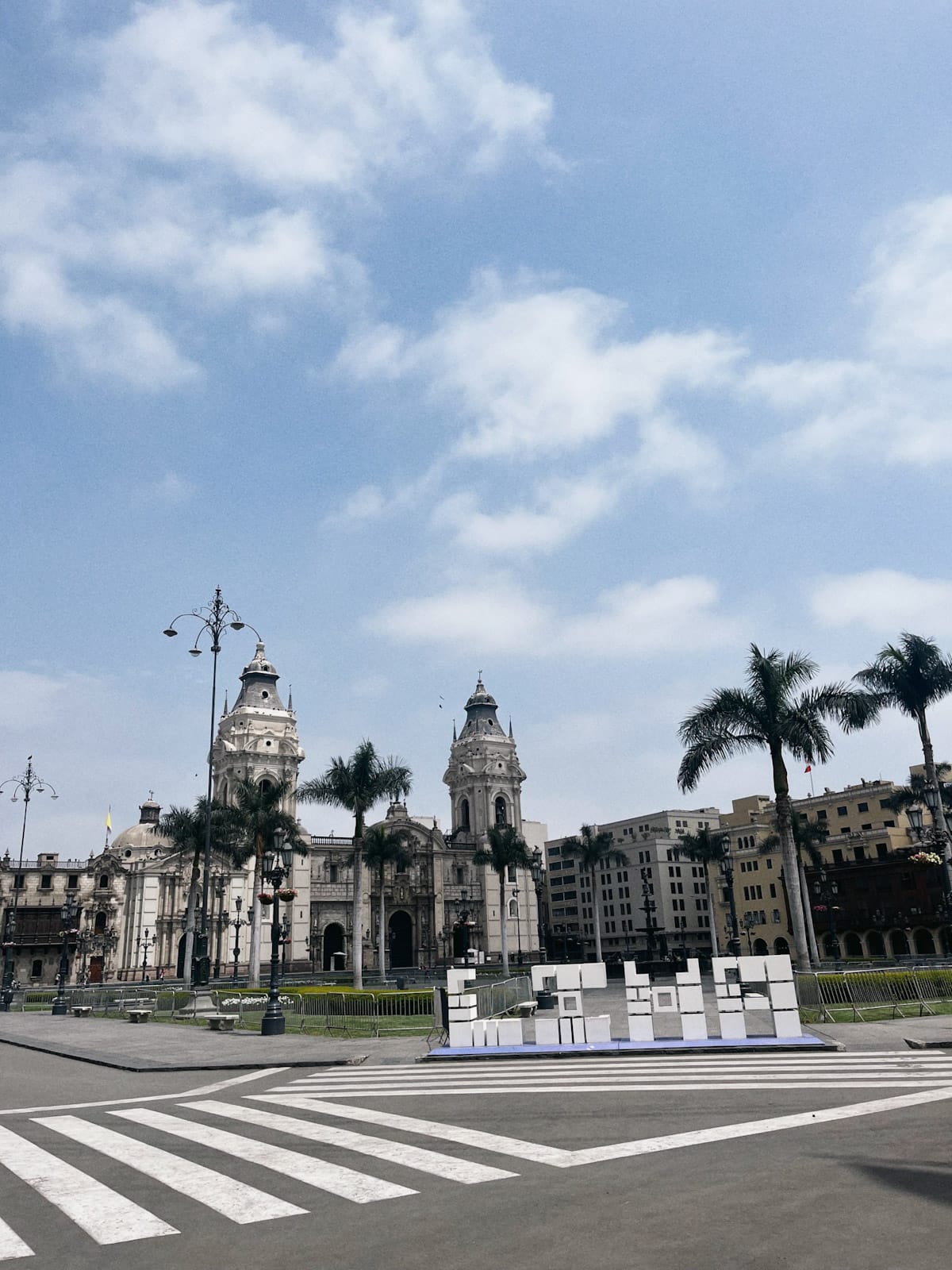
Perched on the cliffs of Peru’s Pacific coast, Lima is a city of contrasts—colonial charm meets modern energy, traditional flavors blend with global cuisine, and surfers share the waves with seabirds under dramatic skies. It’s a place that invites exploration, from Miraflores’ sea-view cafés to Barranco’s colorful streets filled with art and music.
Stay at Naia Miraflores
Formerly known as Selina, Naia Miraflores is a stylish and comfortable base in one of Lima’s most popular neighborhoods. The location is excellent—close to the ocean, cafés, and parks—and the rooms are clean, offering great value for money. The atmosphere is relaxed, and the included breakfast is generous, setting you up perfectly for a day of exploring or surfing.
Where to eat
Tokuyo Lima – a vibrant restaurant known for its creative dishes and welcoming service. Expect flavorful Peruvian fusion food in a laid-back setting that’s perfect for lunch or dinner.
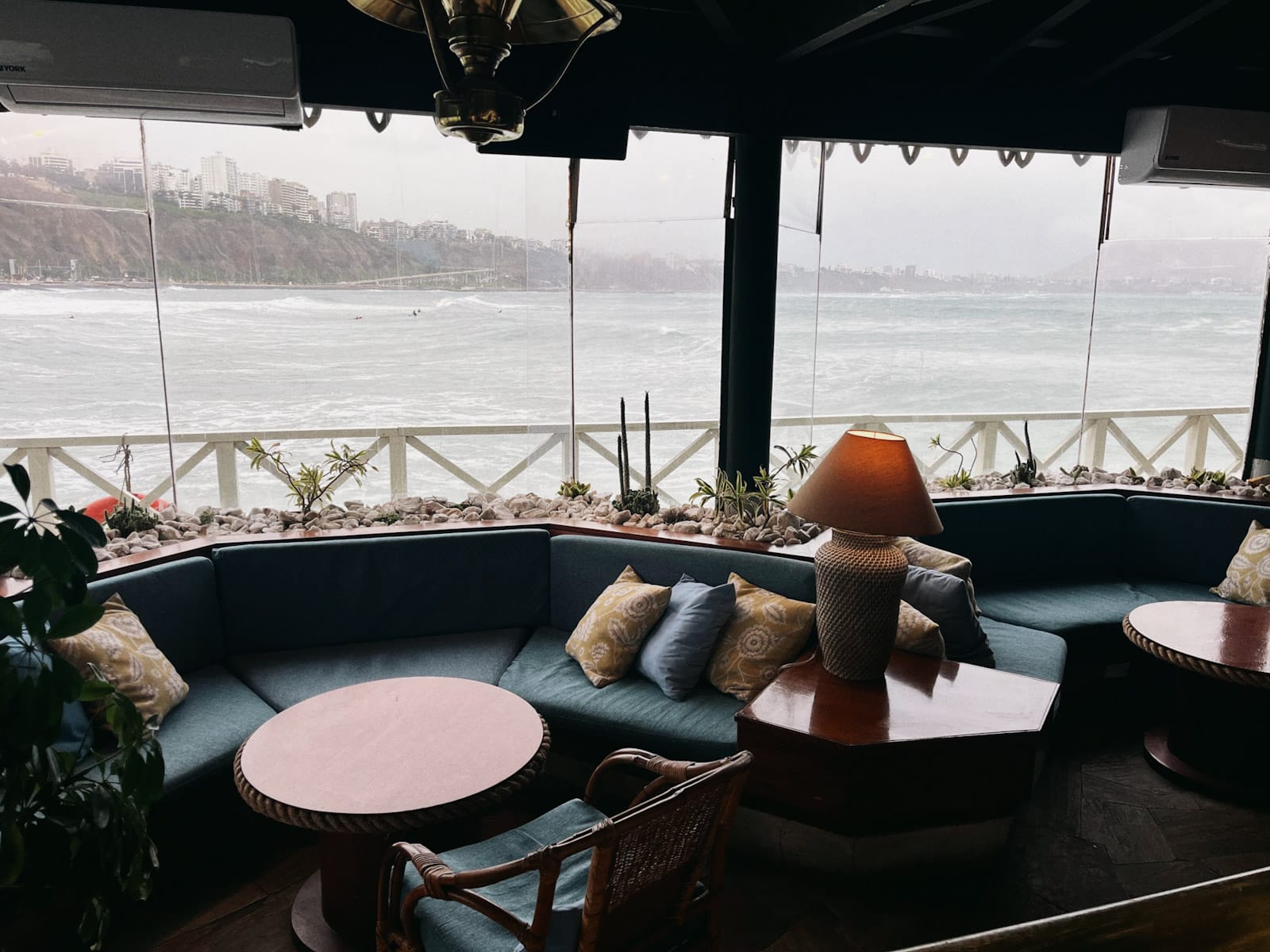
Francesco – a local favorite for seafood lovers. With an incredible view overlooking the ocean and palm trees, it’s the perfect spot for a leisurely lunch or sunset dinner.
Mandil Taquería Tex-Mex – for something different, this spot serves excellent Mexican food in a casual, friendly atmosphere.
Seitan Urban Bistro – the best place in Lima for vegans. Their menu is inventive, the ingredients fresh, and the dishes beautifully plated.
Where to drink
Restaurante La Rosa Náutica – built on a pier stretching into the Pacific, this iconic spot is ideal for a drink with a view. Watch the surfers catching waves below as the sun sets over the water.
Kauza – another great option for drinks, this stylish bar in Miraflores features a small rooftop perfect for enjoying cocktails with a view of the neighborhood’s lively streets.
What to do
Surfing – Lima is one of the few capitals in the world where you can surf right in the city. Head to Kailohi Surf School to rent a board or take a lesson with friendly instructors and a prime location make it a great choice for all levels.
Lima Walking Tour – a solid way to get to know the city’s history and architecture. It’s worth doing to get your bearings, though the quality isn’t quite as high as walking tours in some other parts of the world.
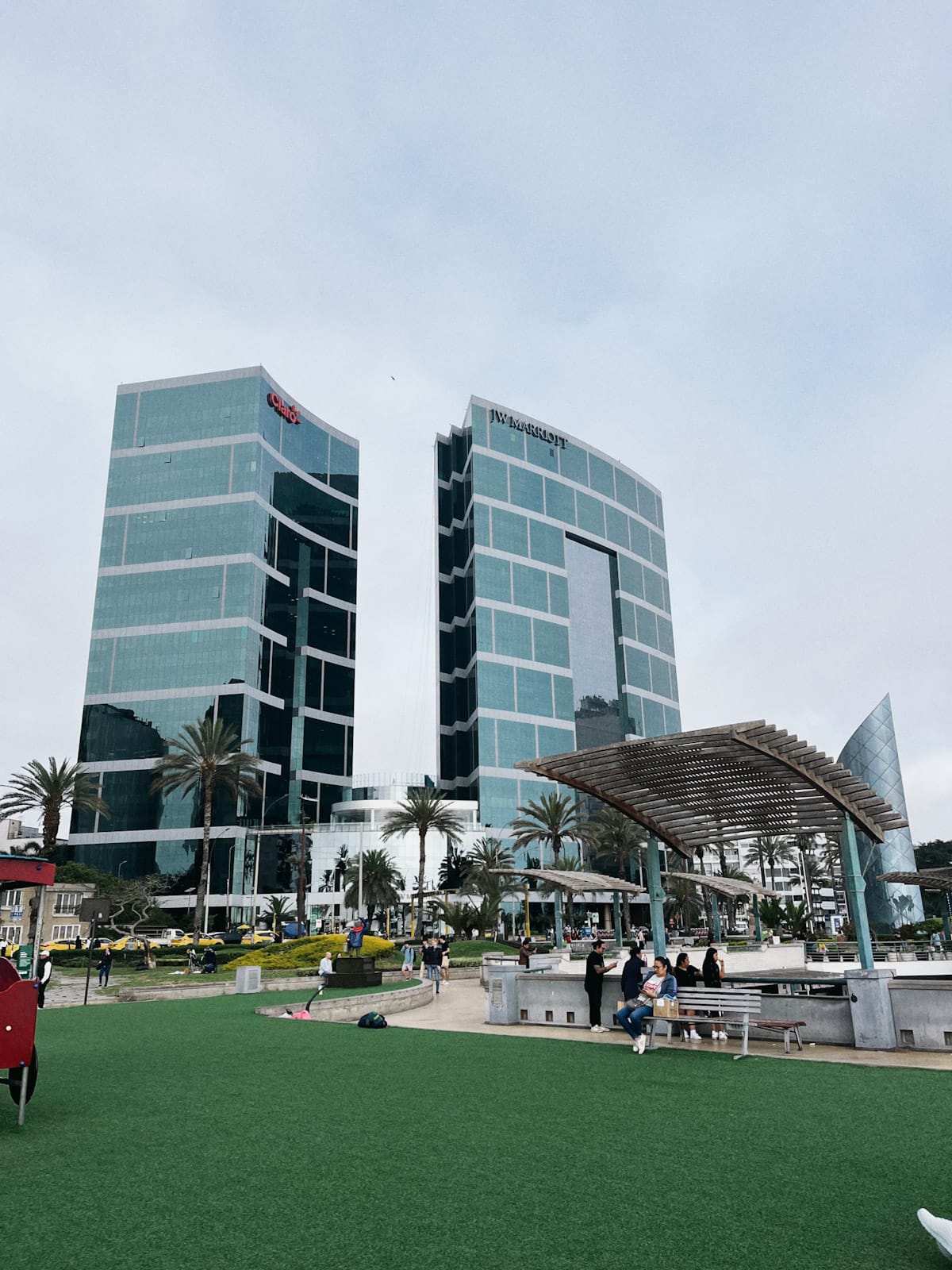
Shopping at Larcomar – built into the cliffs above the ocean, Larcomar is arguably the shopping center with the best view in South America. Alongside international brands, you’ll find plenty of places for a drink or a meal while enjoying the sea breeze and views of the Pacific.
Sea
Punta Hermosa: Peru’s surf paradise an hour from Lima
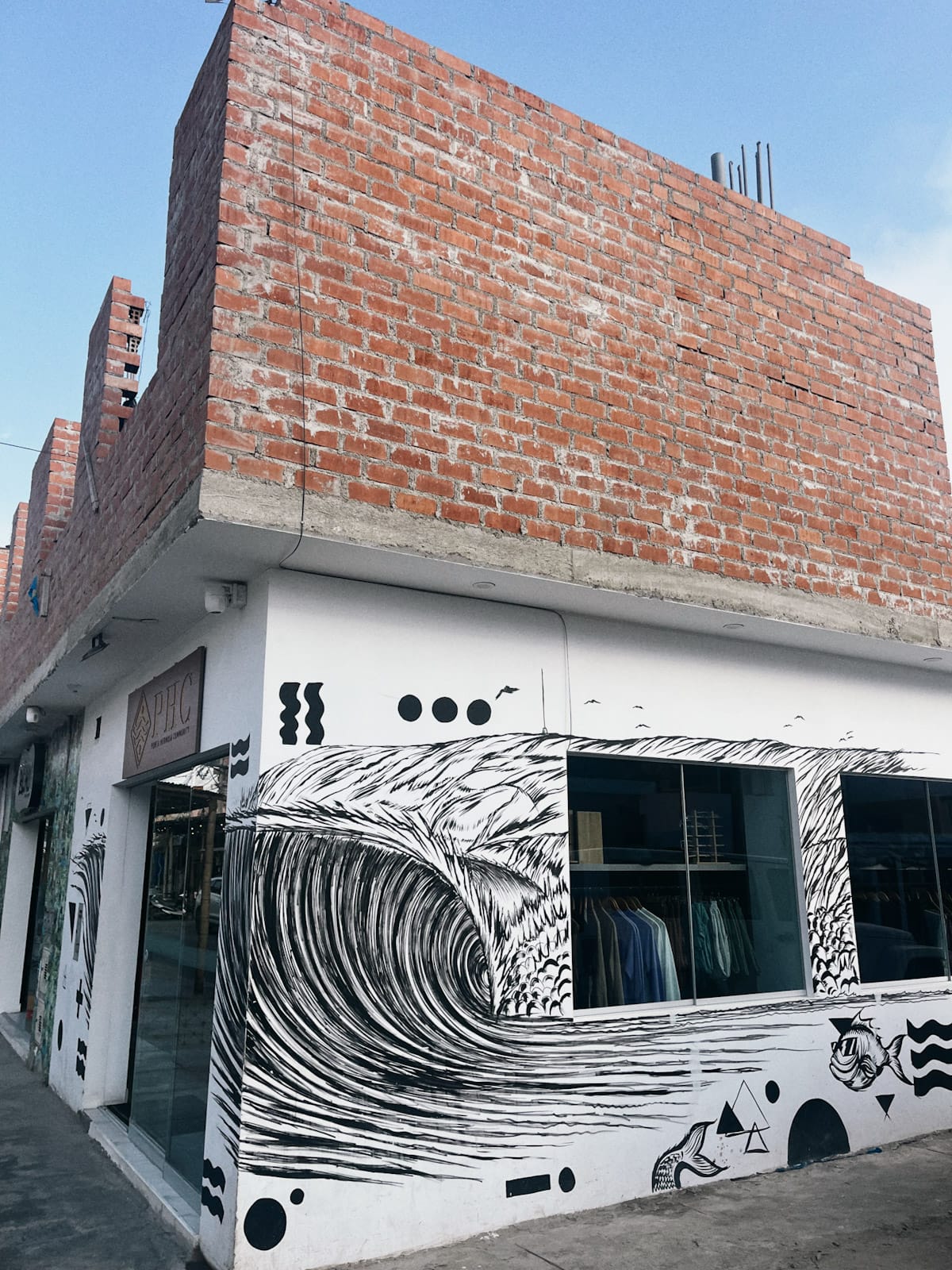
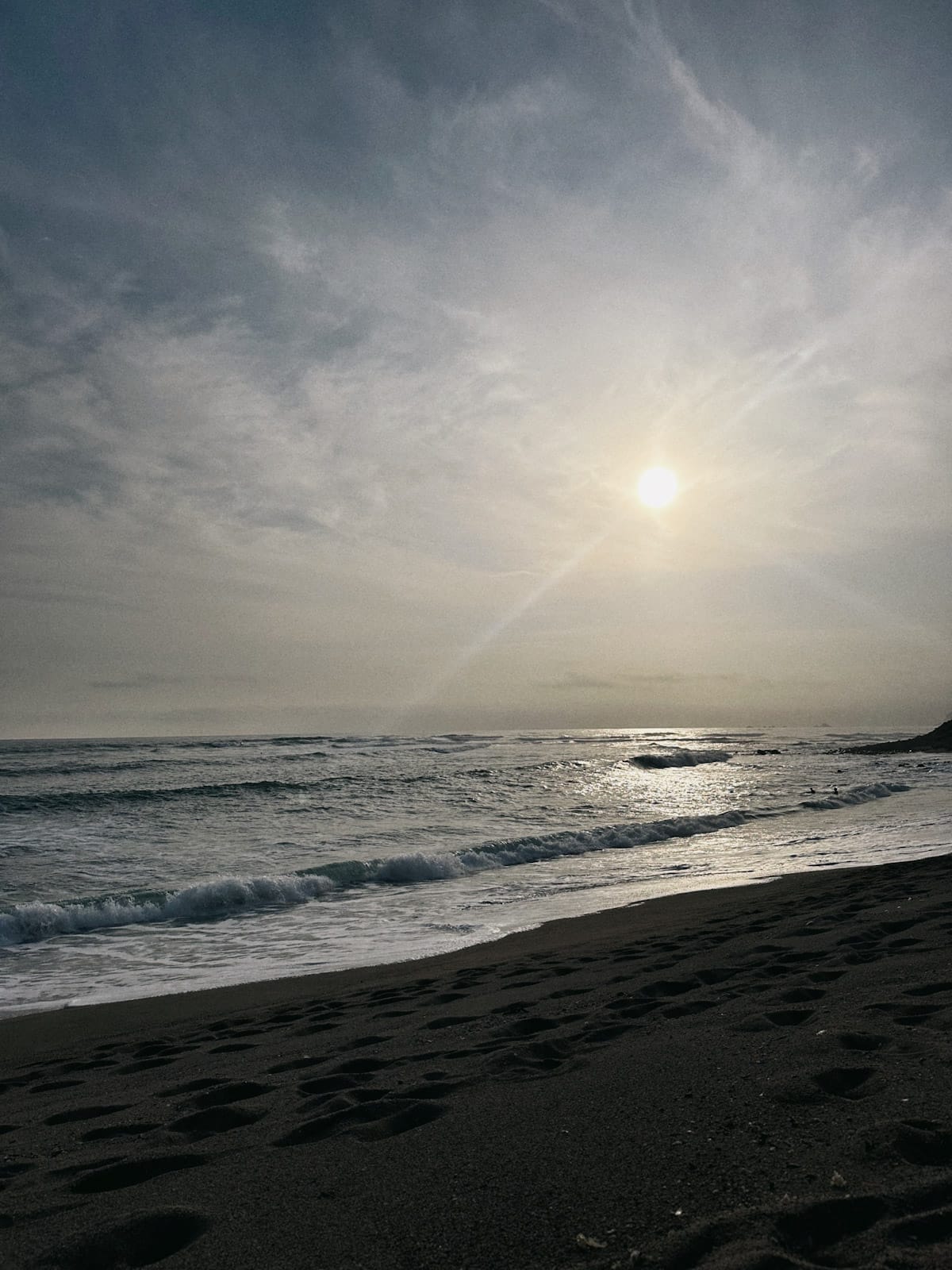
Just an hour south of Lima by Uber (or about 1 hour and 15 minutes from the airport), Punta Hermosa is Peru’s ultimate surf town—a compact, secure community where waves break in nearly every direction. With its relaxed pace, ocean views, and local charm, it’s a perfect escape from the capital for anyone who wants to trade city noise for the sound of rolling surf.
Stay at Waves Surf Camp Peru
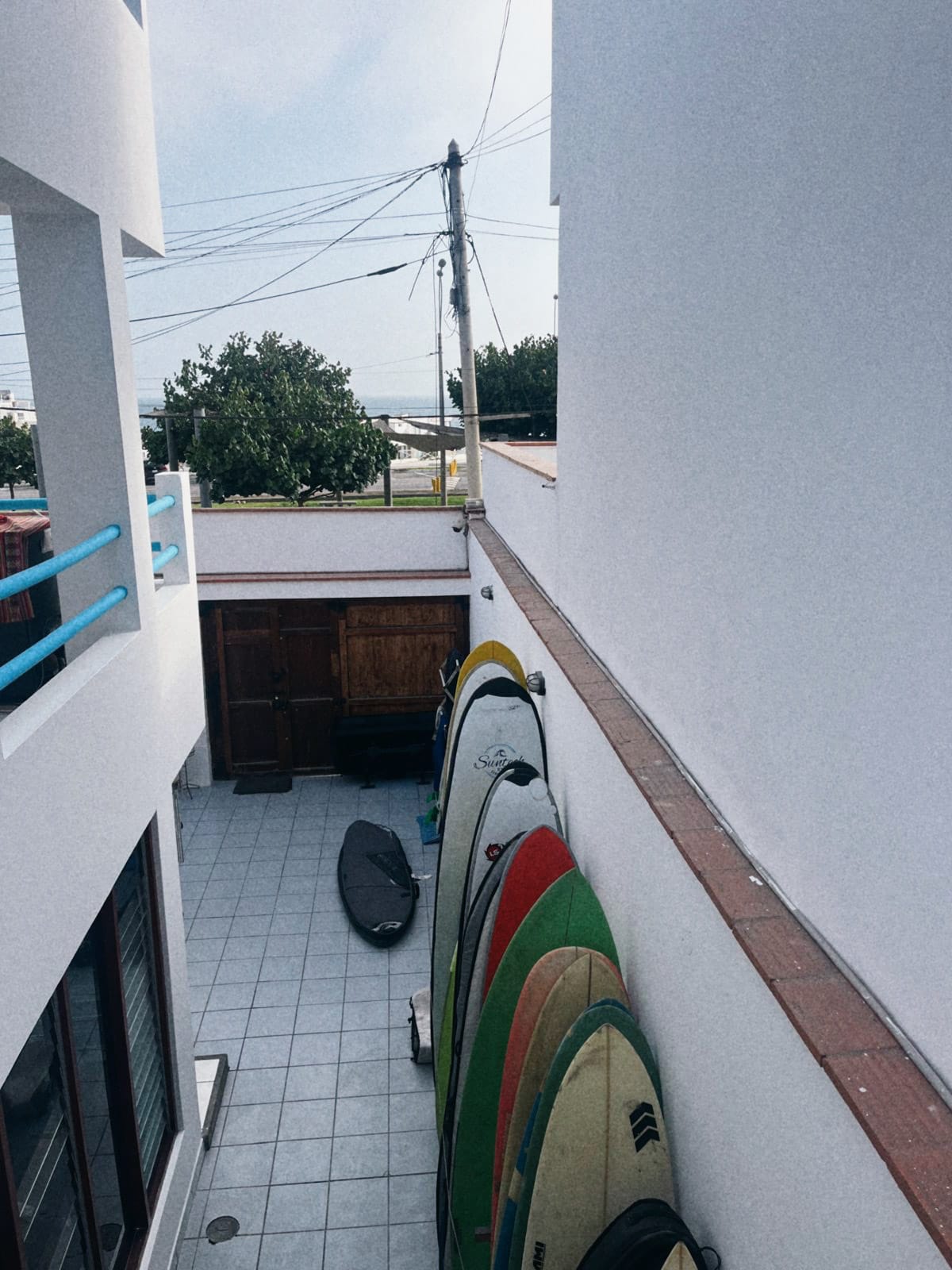
For surfers, Waves Surf Camp Peru is the place to be. The rooms are simple and not the most modern, but the surf experience more than makes up for it. The rental boards are high-quality and well-maintained, and the owner is known for organizing excellent day trips to Cerro Azul. He also arranges longer surf trips to northern Peru, including Chicama, home to one of the longest left-hand waves in the world. It’s the kind of place where every conversation revolves around tides, swells, and where to paddle out next.
Where to eat
Cevichería Manuel a Su Servicio – a local favorite for fresh, perfectly seasoned ceviche—best enjoyed at lunchtime when the catch is at its freshest.
Mixtura Amazónica – great for tasting traditional Peruvian flavors with generous portions and warm service.
La Casa de Gloria – widely regarded as the best spot for authentic local food, serving Peruvian classics in a welcoming, home-style setting.
Nina Pacha – an excellent choice for Italian food, with great pasta, pizza, and a cozy, friendly atmosphere.
Where to drink
Vida Market Café – a relaxed spot for a coffee or fresh juice, ideal for a mid-morning break after a surf session.
Puesta de Sol – true to its name, this is the place to go for sunset drinks with a view of the surf beaches—cold beer, ocean breeze, and waves rolling in below.
Where to surf
Surfing is what Punta Hermosa is all about. The coastline offers a range of breaks for different conditions and skill levels:
La Isla – a powerful right-hander, best surfed at low tide.
Señoritas – a smooth left-hand wave, ideal during mid to high tide.
Caballeros – a classic right-hand wave that works best with mid to high tide.
Punta Rocas – famous for its big, clean waves (mostly rights) and host to many international surf competitions.
Day trips
Cerro Azul – about an hour and a half away, this left-hand point break is one of Peru’s most iconic waves, best surfed at low tide. After your session, grab lunch at Juanito, a classic local spot right by the beach.