Austria (winter)
Our Rating:
Austria: snow-covered peaks, alpine rhythm, and the best après-ski
To begin, Austria is one of Europe’s top ski destinations, known for its reliable snowfall, well-connected lift systems, and charming alpine villages. Across the country, ski resorts range from large international hubs like St. Anton and Saalbach to smaller, family-friendly areas with more affordable passes. In addition, visitors can expect efficient infrastructure, cozy mountain huts serving hearty Austrian food, and good value compared to neighboring Switzerland. Below, discover Austria as a Sabbatical destination in winter.
Best time of year to visit
Ski season between December and April (January and February possibly the best snow conditions)
Nature
Saalbach-Hinterglemm: possibly the best après-ski in Austria, and a ski circus that keeps you moving
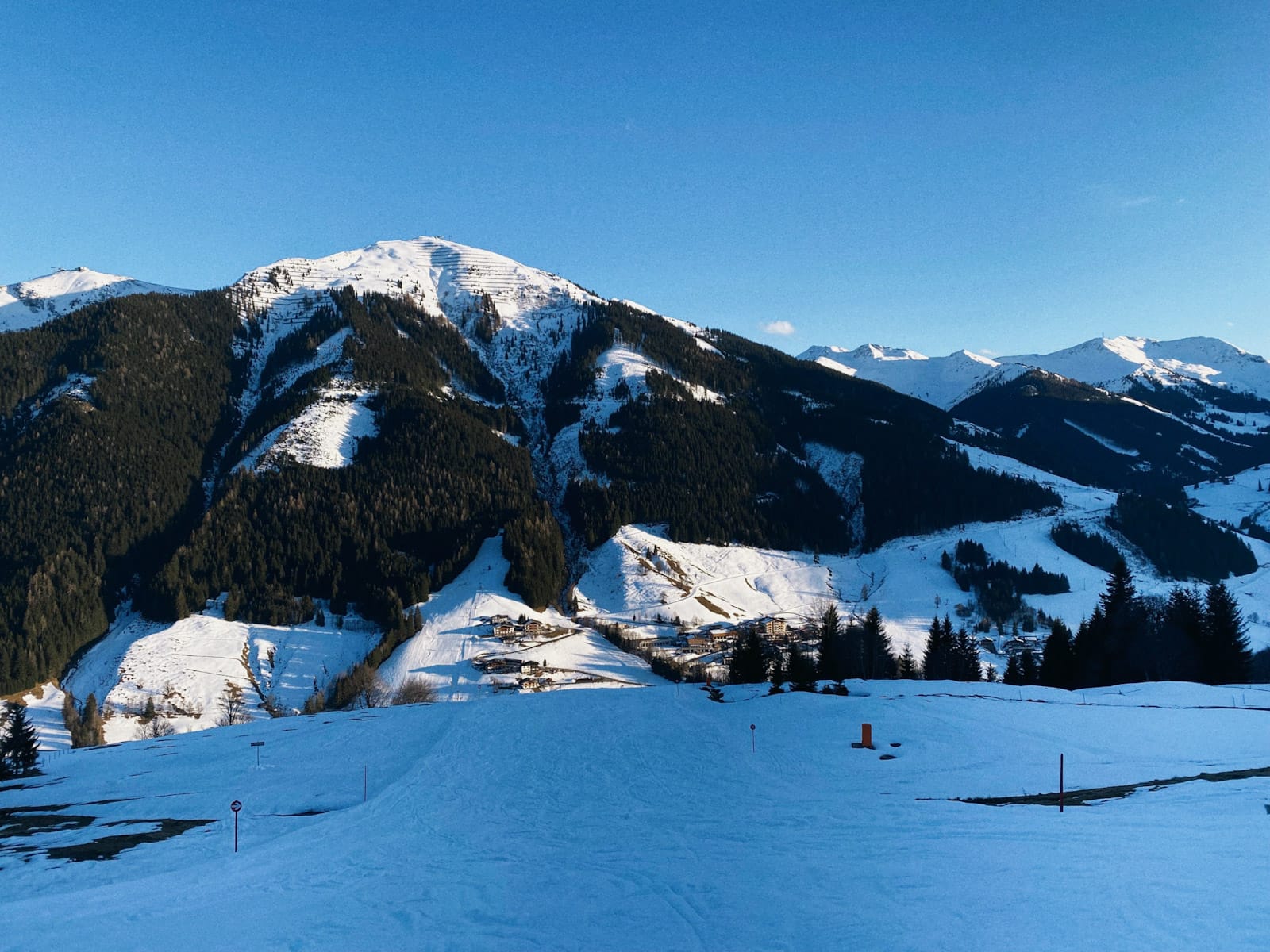
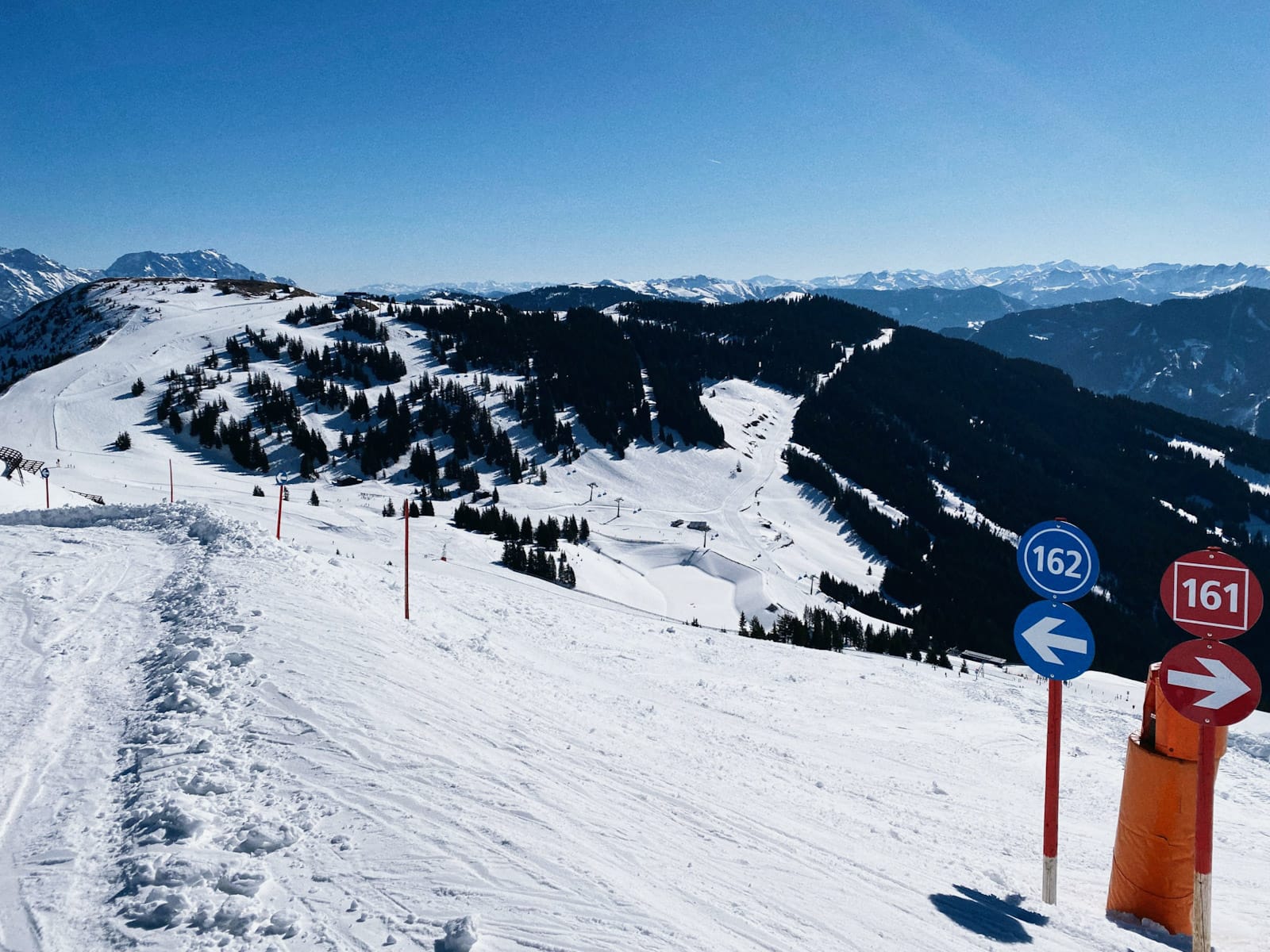
Some mountain towns whisper, but by contrast, Saalbach and Hinterglemm don’t. Here, the skiing is big, the energy is high, and the music spills from mountaintop barns before lunch. But there’s more to it than just the party. As part of the Skicircus Saalbach Hinterglemm Leogang Fieberbrunn, this region offers over 270 kilometers of connected runs—making it one of Austria’s most extensive ski areas. Especially, Hinterglemm is popular for its lively après-ski scene, with bars and terraces that keep the energy going long after the lifts close.
Stay at Adler Resort
A luxury stay in Hinterglemm, with spa access, ski-in/ski-out options, and generous half-board dining. Especially, great for a longer trip that balances skiing with rest days.
Stay at Hotel Pension Eder
This hotel is a simple, affordable and centrally located pension in Saalbach. Just a short walk from the lifts and the nightlife, with a friendly vibe and breakfast that keeps skiers going.
Where to eat
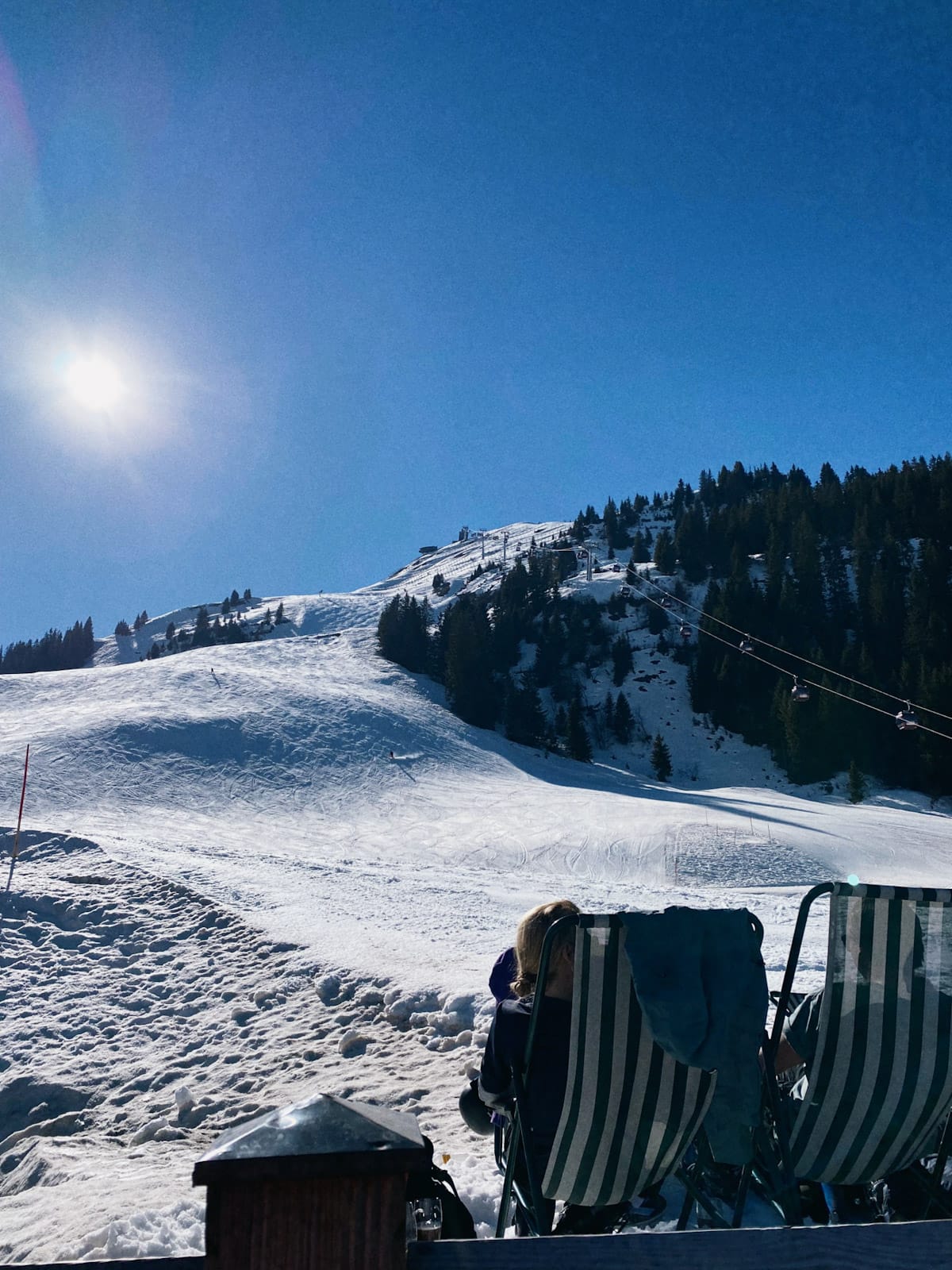
Reiteralm – To start, Reiteralm’s panoramic terrace and hearty, high-quality food make it the kind of place that justifies a long ski break. Simply grab a seat in the sun, order a local specialty, and give your legs a rest because you’ll need them for the afternoon runs.
Winkler Alm – A lively mountain hut with a cozy atmosphere and great food, perfect for a relaxed lunch or an après-ski stop. Known for its friendly service and generous portions, it’s a local favorite—especially on sunny days when the terrace fills with skiers soaking up the view.
Where to drink
Goaßstall – Equal parts barn, bar, and dance floor—this slope-side spot fills up fast and gets loud early.
Der Schwarzacher – Alternatively, if you prefer something more polished, Der Schwarzacher offers DJs, fireplaces, and a sleeker après crowd. Plus, it’s right at the base of the lift in Hinterglemm, making it easy to slide in after your last run.
Skiing the Skicircus
Altogether, this area connects four regions into one seamless circuit of groomed slopes, fast lifts, and cozy mountain huts. Plus, the terrain suits every level—whether you’re carving blues, tackling steeper reds, or going off-piste in Fieberbrunn. If you’re staying a week or more, consider a ski pass that includes nearby Zell am See and Kaprun for added variety. However, because the area isn’t very high, it’s best to visit early in the season.
Nature
St. Anton am Alberg: legendary skiing, serious slopes, and après-ski that starts on the mountain
Some places in the Alps feel tucked away— but St. Anton does not. As part of the Arlberg region, it combines extensive high-altitude terrain with a lively après-ski scene. Additionally, long descents and high-speed lifts link St. Anton with Lech, Zürs, Stuben, and St. Christoph, making it one of Europe’s most comprehensive ski areas.
Where to stay
For longer stays, an apartment in St. Jakob works well. St. Jakob sits just outside the main village but stays well connected with regular buses to the Galzig and Nasserein lifts. It’s quieter, more residential, and a good fit if you’re looking to balance ski days with rest days.
However, if you’d rather be close to the bars and bakeries, the main village (St. Anton am Alberg) has plenty of small guesthouses and apartments within walking distance of everything.
Where to eat
Thony’s – To begin, this is a local favorite with a sun-drenched terrace and the kind of relaxed, welcoming vibe that makes you stay longer than planned.
Sennhütte – Alternatively, located above the village, this hut offers classic alpine meals and views over the valley. The terrace is especially nice on sunny days.
Where to drink
The MooserWirt – Finally, in St. Anton, après-ski isn’t just a tradition—it’s a full part of the ski day. The MooserWirt is the classic scene: skis stacked outside, music already going, and everyone packed into a sunny terrace dancing in ski boots. Tip: bring a lock for your skis to make sure they aren’t stolen.